
Thai vs Vietnamese: Which Is Actually Harder?
Thai has 5 tones and a unique script. Vietnamese has 6 tones and uses Latin letters. FSI rates both Category IV. Here's what that comparison means for you.

Thai has 5 tones and a unique script. Vietnamese has 6 tones and uses Latin letters. FSI rates both Category IV. Here's what that comparison means for you.

Thai is FSI Category IV — hard to master. But travel-ready Thai is a different bar. 2 weeks handles 90% of tourist situations. Here's what matters.
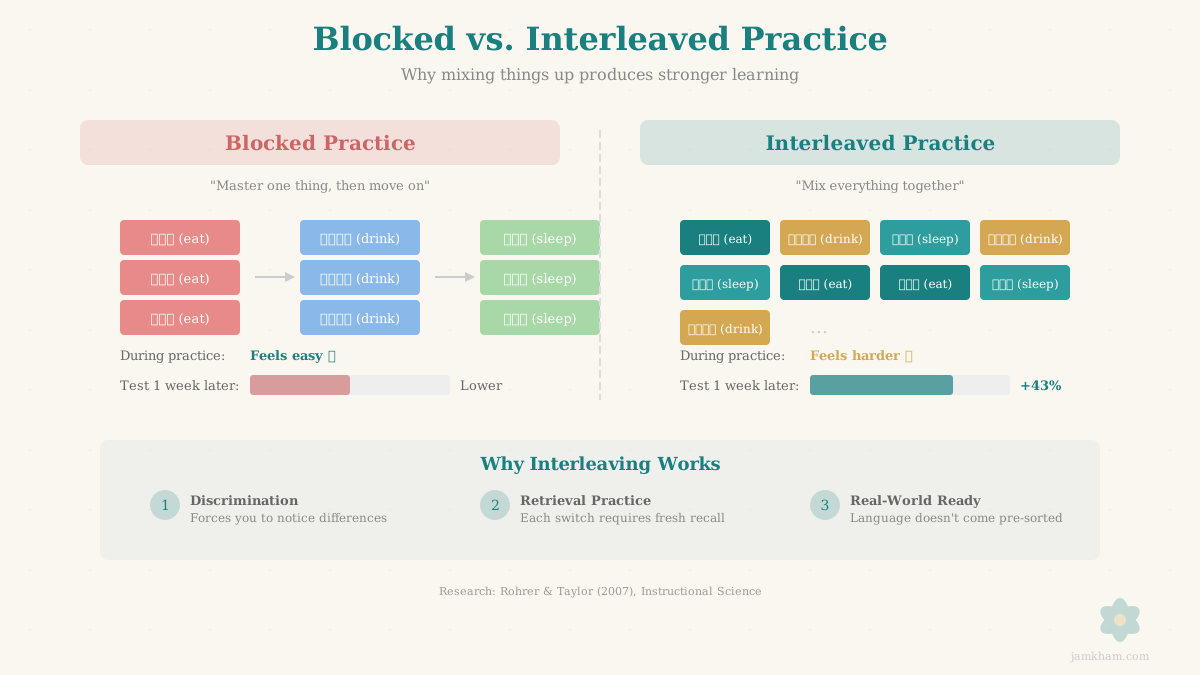
Interleaved practice improves retention by 43% vs blocked study. Why mixing Thai vocabulary -- though harder -- builds knowledge that lasts.
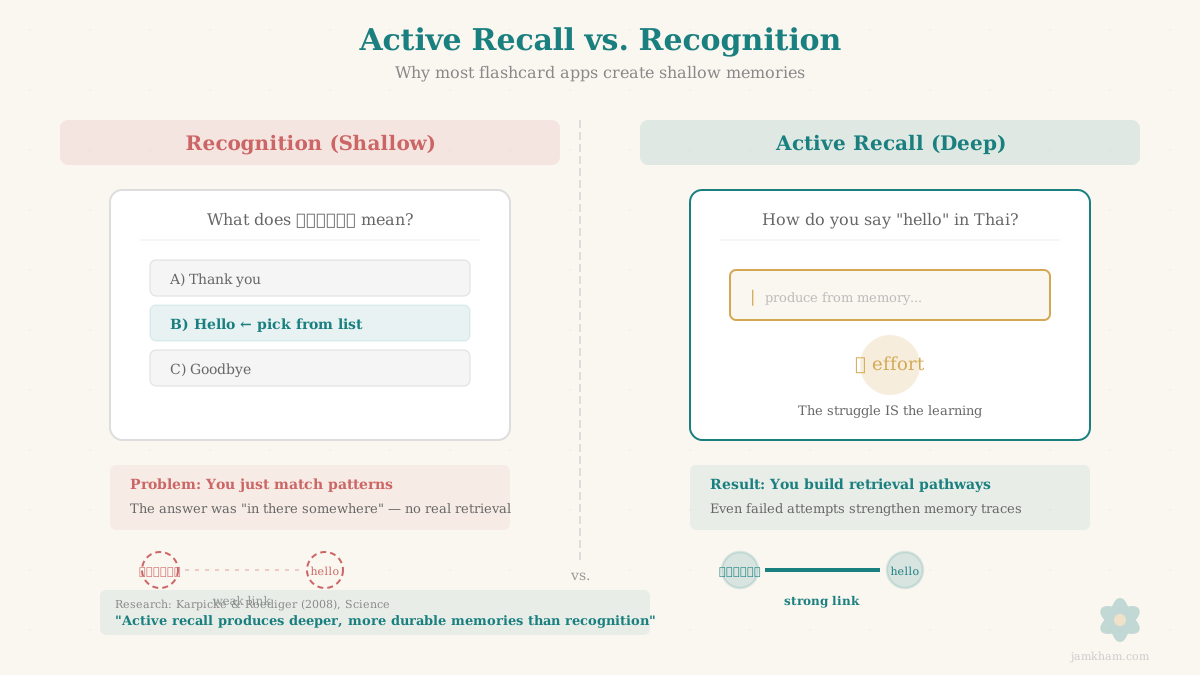
Recognition flashcards create shallow memories. Active recall builds lasting knowledge. Here's the research and how to apply it to Thai vocabulary.
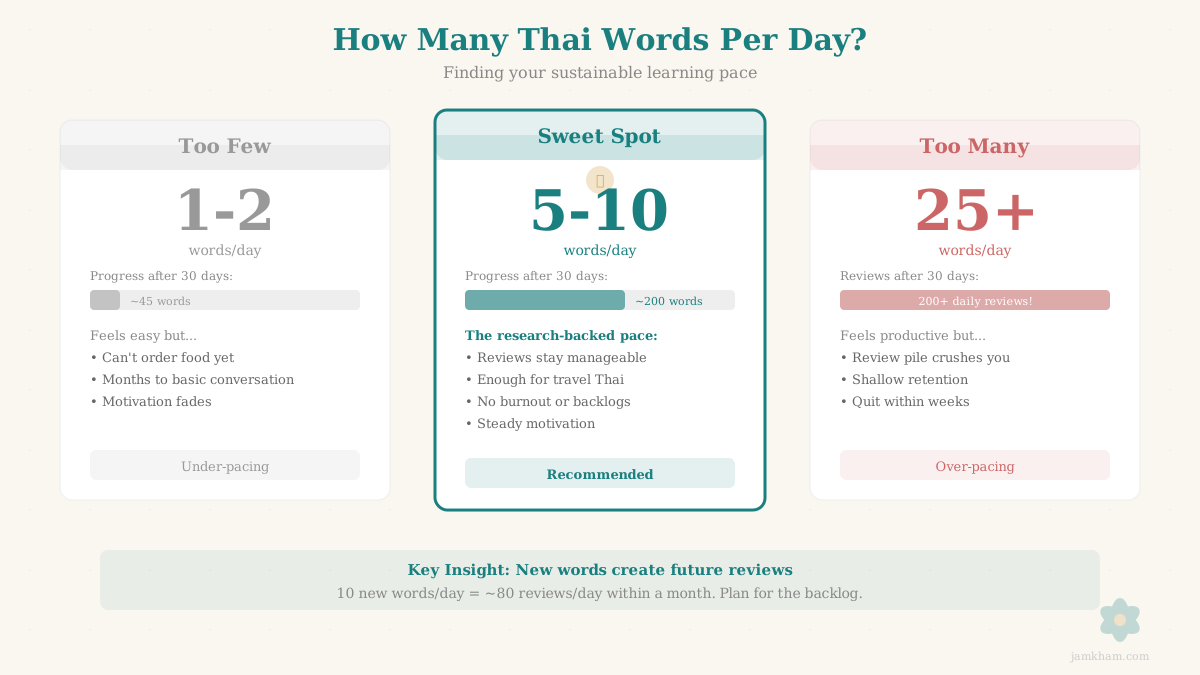
The optimal number of new vocabulary words per day—backed by research. Why learning too many creates review backlogs, and how to find your sustainable pace.

Testing yourself produces 50% better retention than re-reading. Why active recall matters for Thai vocabulary—and how to do it right.
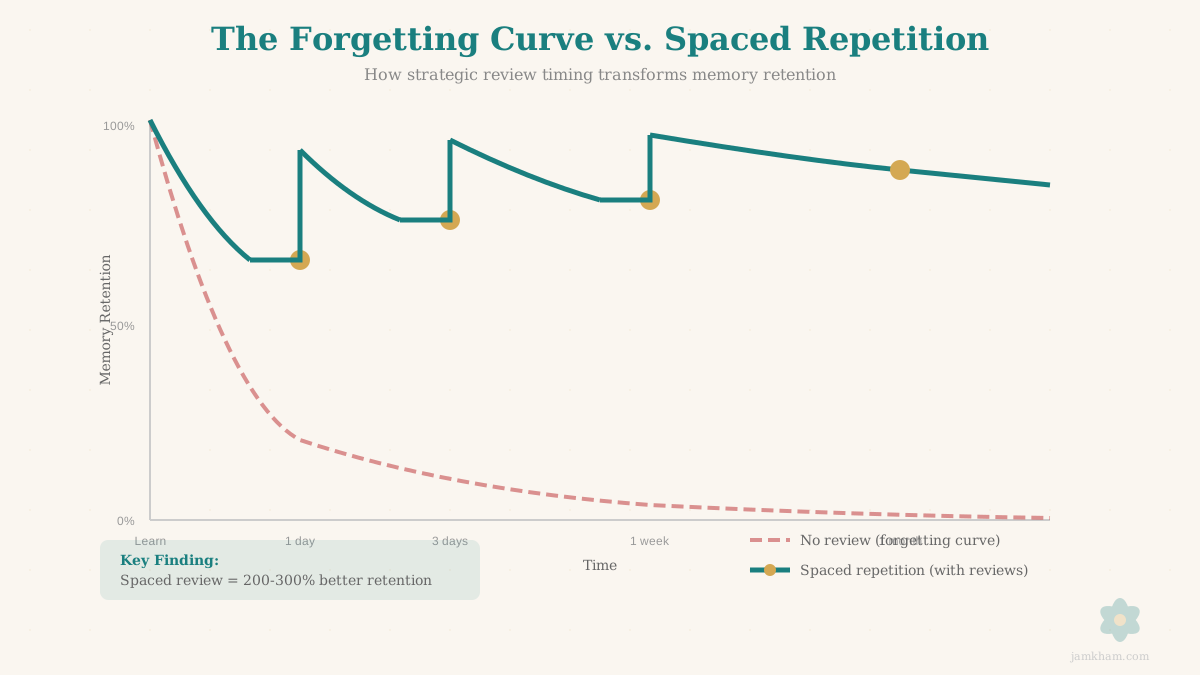
Spaced repetition improves vocabulary retention by 200-300%. The science behind lasting memory—and how to use it for Thai.
Khmer courts gave Thai its formal vocabulary. Pali scriptures added religious terms. Tai-Kadai roots stayed on the street. How 3 layers became 1 language.