
Non-B Visa Thailand: Read Your Own Work Permit
Non-B visa Thailand paperwork: the Thai words and dates on your visa, work permit and extension stamp — and what a teacher should check on each.
Thai learning tips, language science, travel guides, and success stories.

Non-B visa Thailand paperwork: the Thai words and dates on your visa, work permit and extension stamp — and what a teacher should check on each.
A Thai alphabet app has to teach the consonant classes and bring each letter back before you forget it. What to look for, and a free way to start.

Ajarn meaning, khru meaning, and the register line between them — what to call yourself, what to call colleagues, and what to call the head.

Thai nicknames explained: why every student has one, where the system came from, and how to ask for and record a nickname without getting it wrong.

Wai kru explained: the June school ceremony, the four plants on the tray, why it falls on a Thursday, and what a teacher is actually meant to do.

Anuban, prathom, mathayom — what each Thai school level means, the ages in each year, and how to read a class label like ม.4/2 on sight.
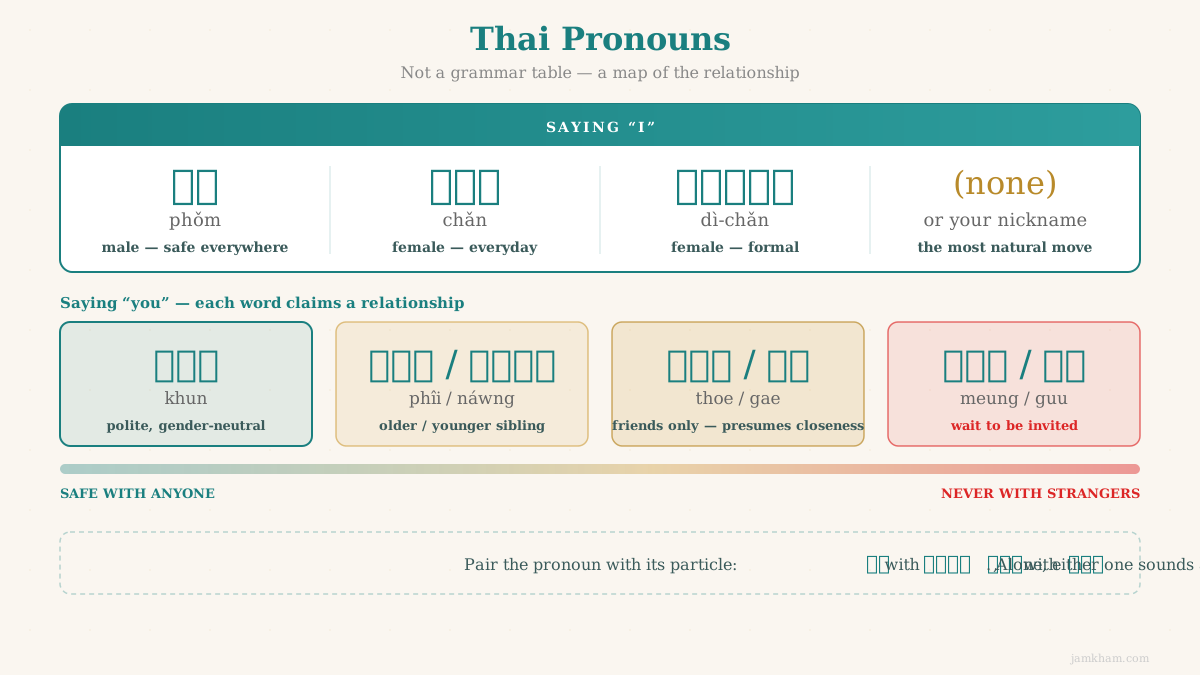
Thai pronouns map relationships, not grammar. Which 'I' and 'you' to use — phǒm, chǎn, khun — when to use names instead, and the pronouns to avoid.
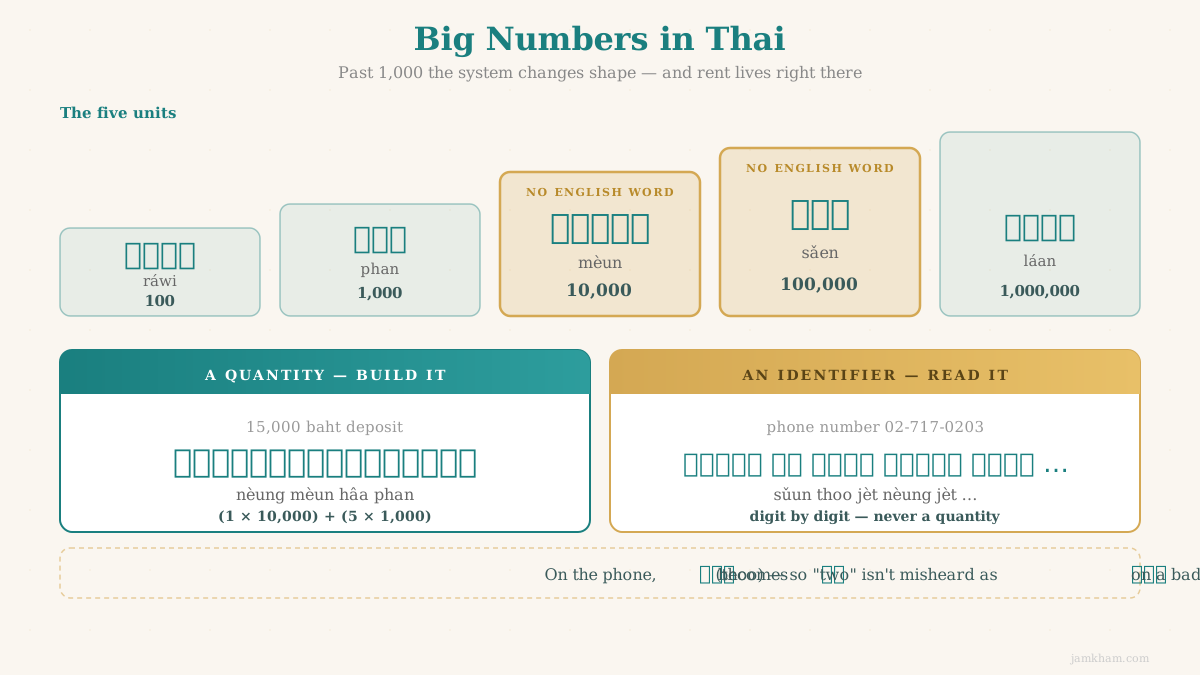
Thai numbers change shape past 1,000. The หมื่น/แสน system for rent and salary, and why phone numbers and ID cards get read digit-by-digit instead.
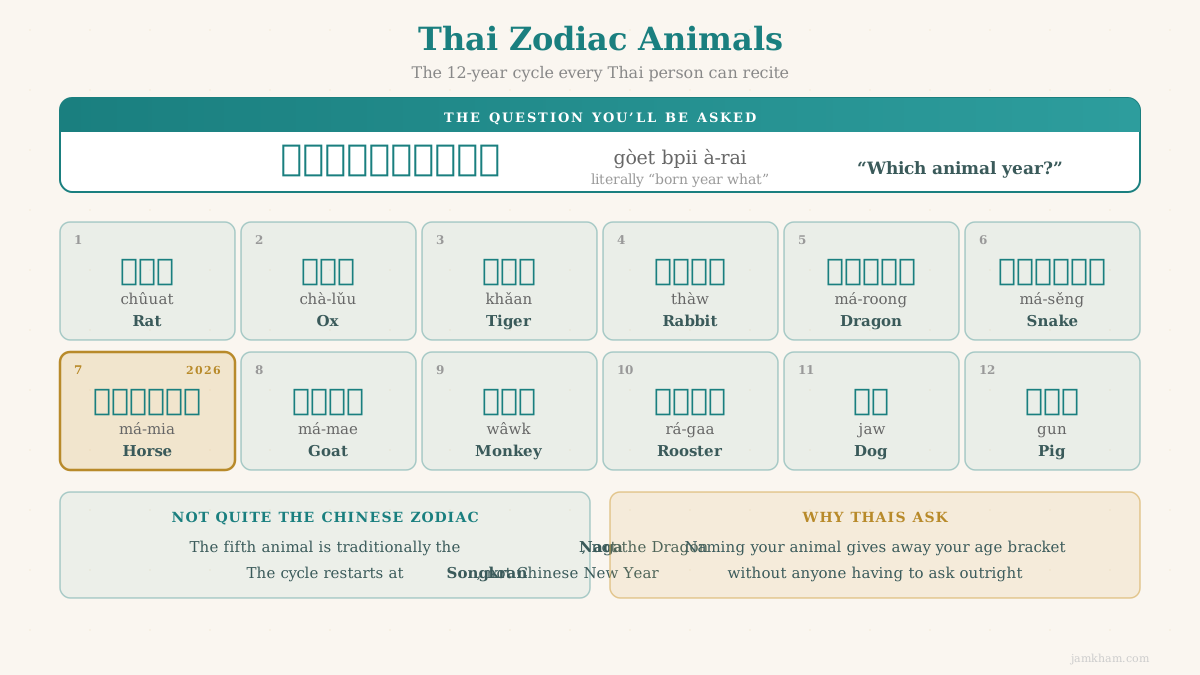
Thai zodiac animals explained: the 12-year cycle, the phrase Thais use to ask your birth year, and how it differs from the Chinese zodiac.
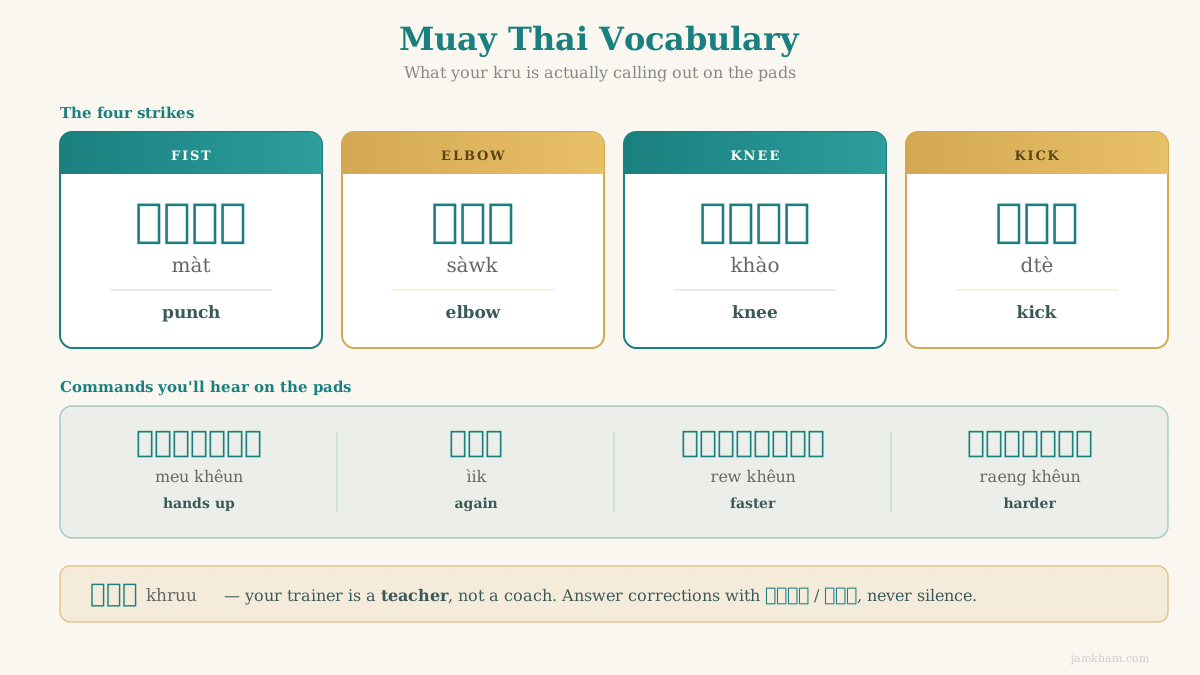
Muay Thai vocabulary for the gym: trainer commands, strikes, wai kru, and etiquette phrases — so you're not the silent farang at the bag.
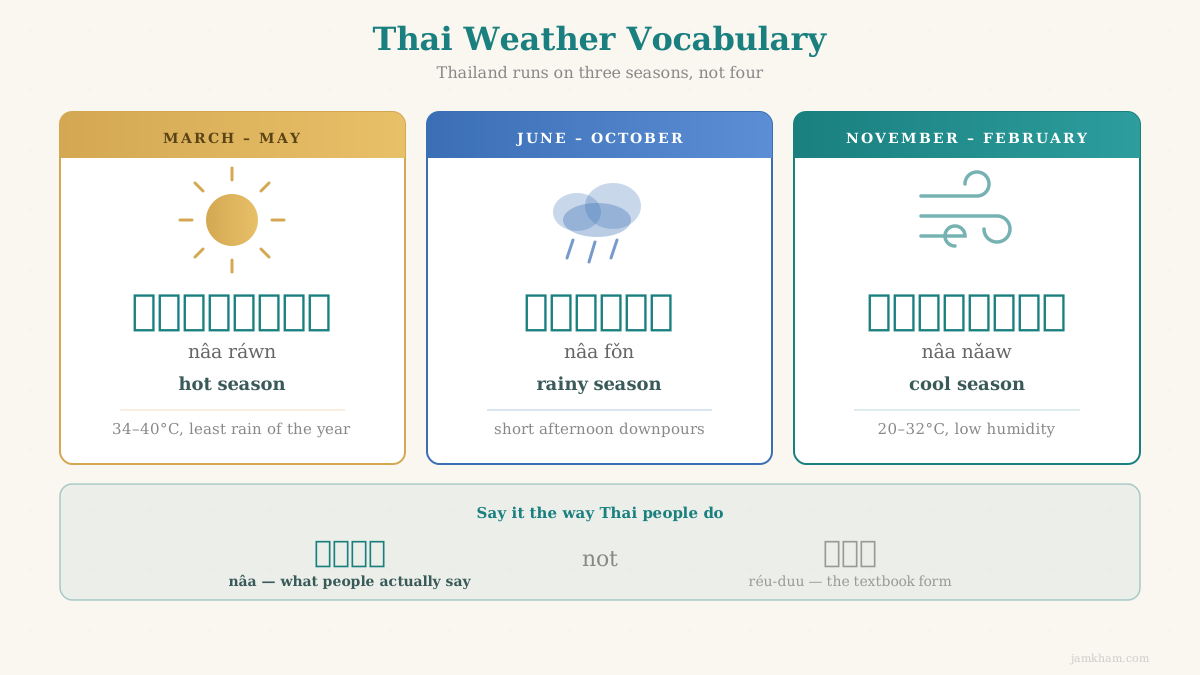
Thailand's three seasons — hot, rainy, cool — explained with the Thai vocabulary to ask about weather, plan your trip, and pack right for each one.
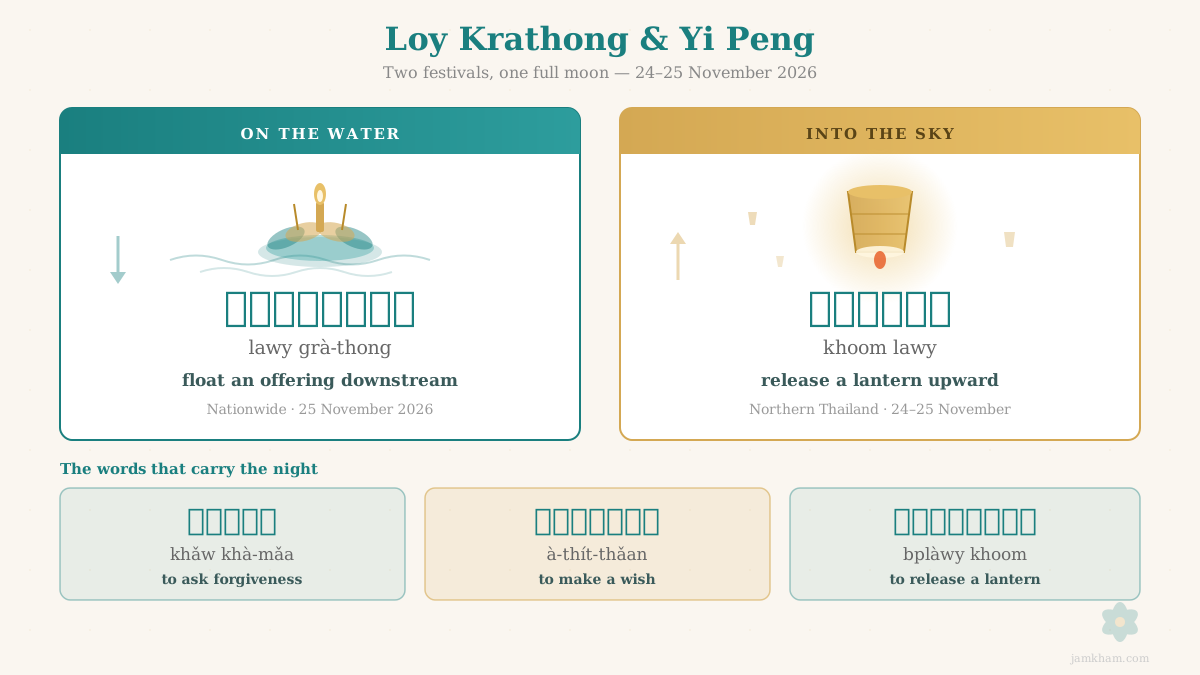
Loy Krathong falls on 25 Nov 2026, Yi Peng on 24–25. The Thai vocabulary, phrases, and etiquette you need for Thailand's festival of lights.
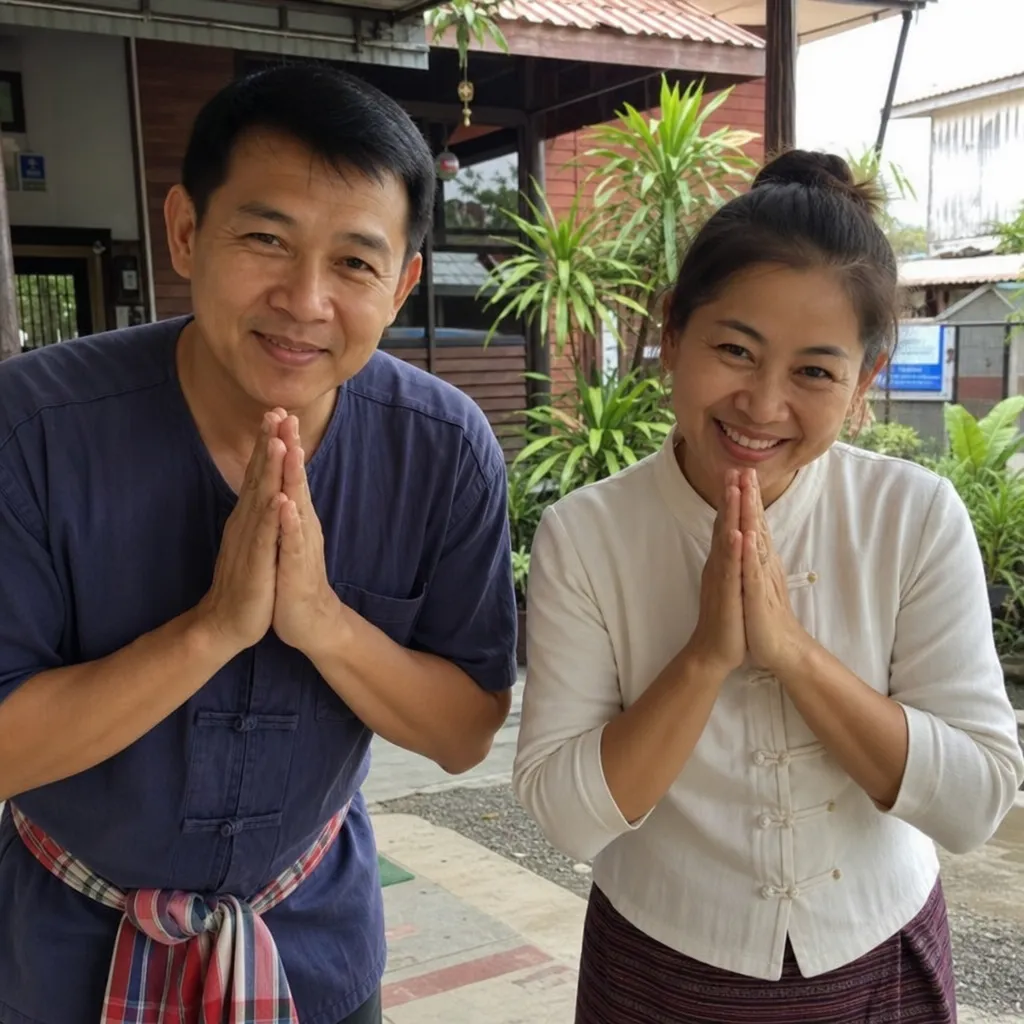
Khop khun kha means thank you — but only if you're the right speaker. What it means, why kha and khrap aren't interchangeable, and how to answer.
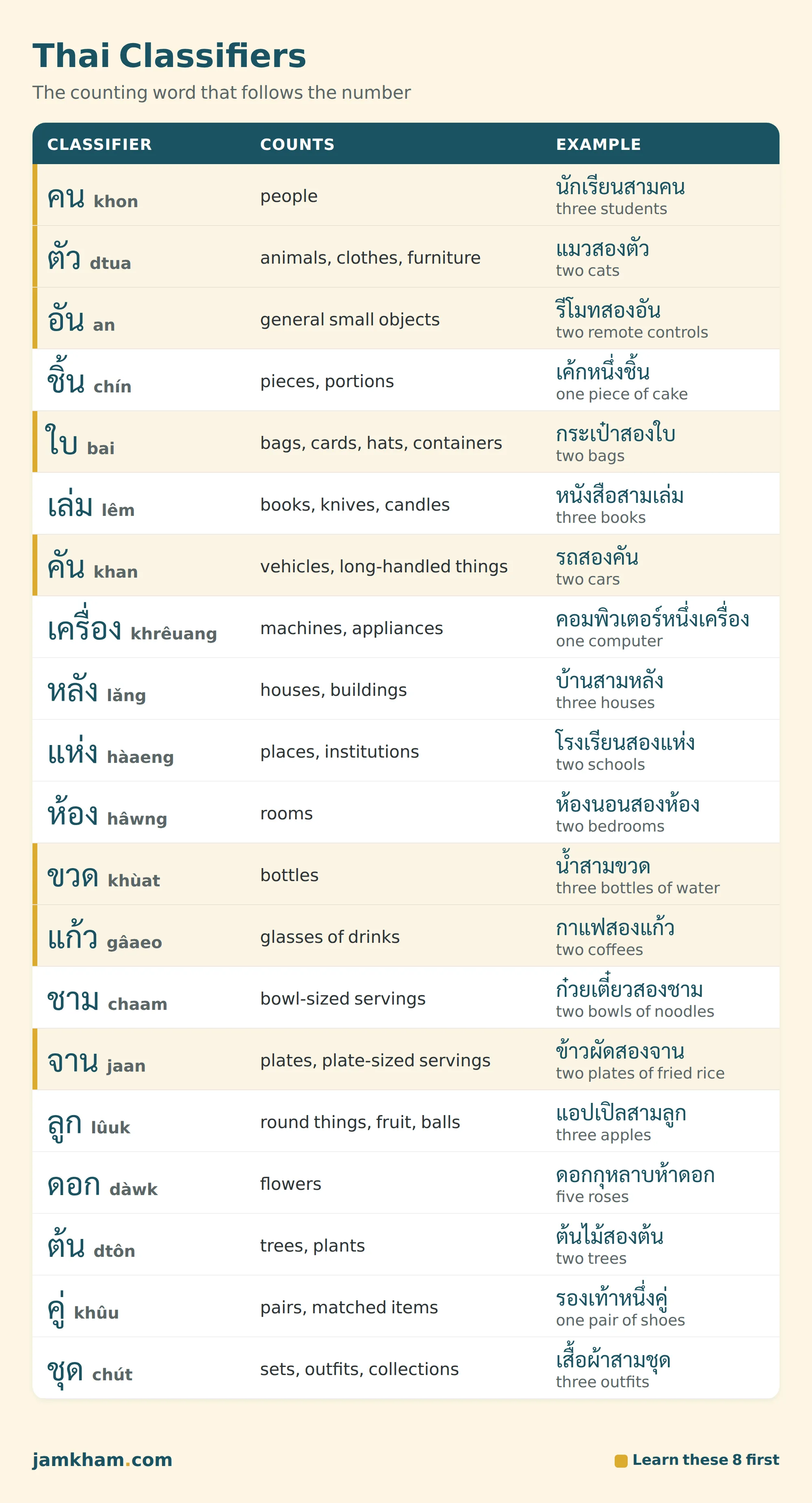
Thai classifiers are the counting words that follow a number. Here are the 20 that cover most everyday situations, plus the pattern and the fallbacks.
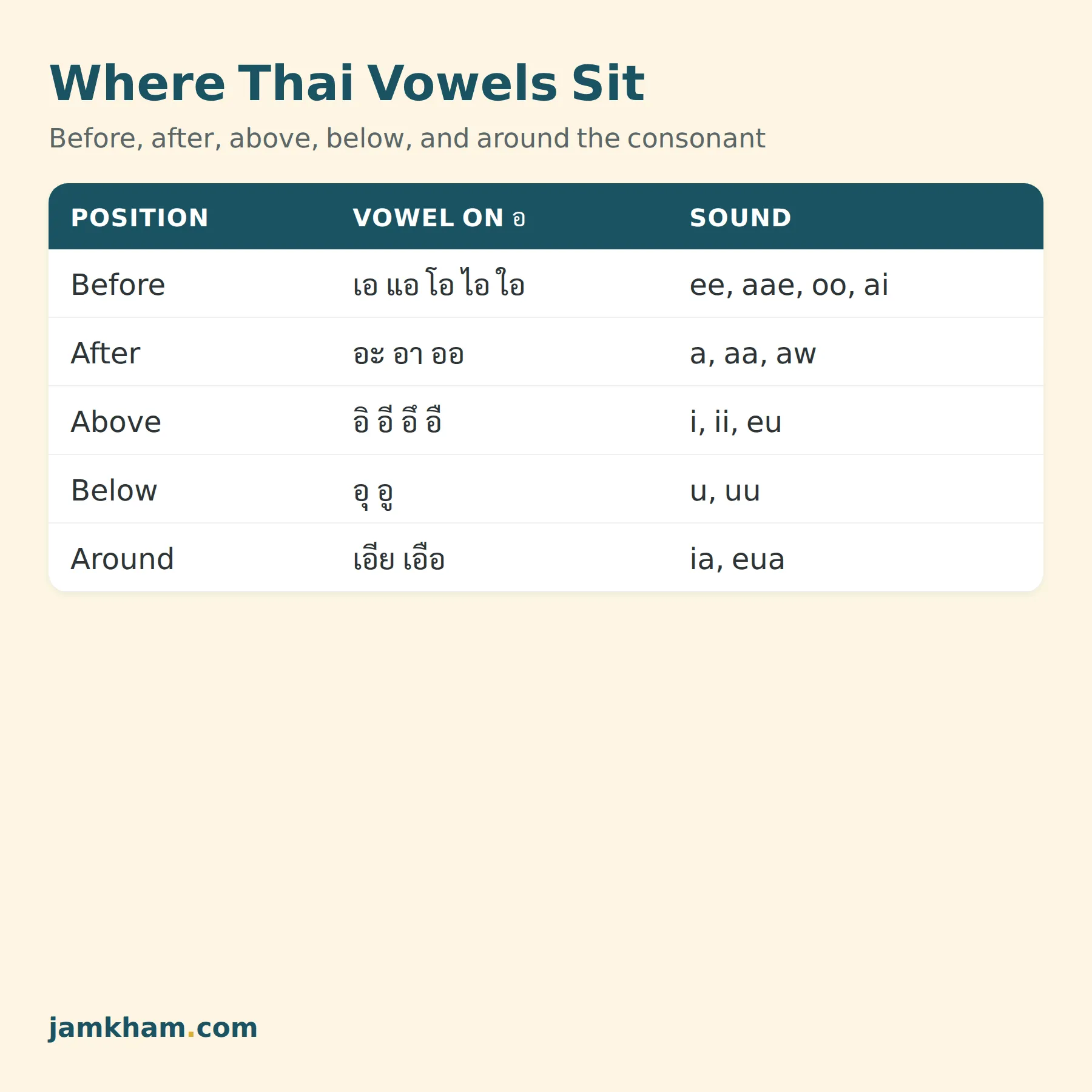
Thai vowels attach before, after, above, below, or around consonants — and short vs. long length changes a word's meaning. Here's how to read the chart.
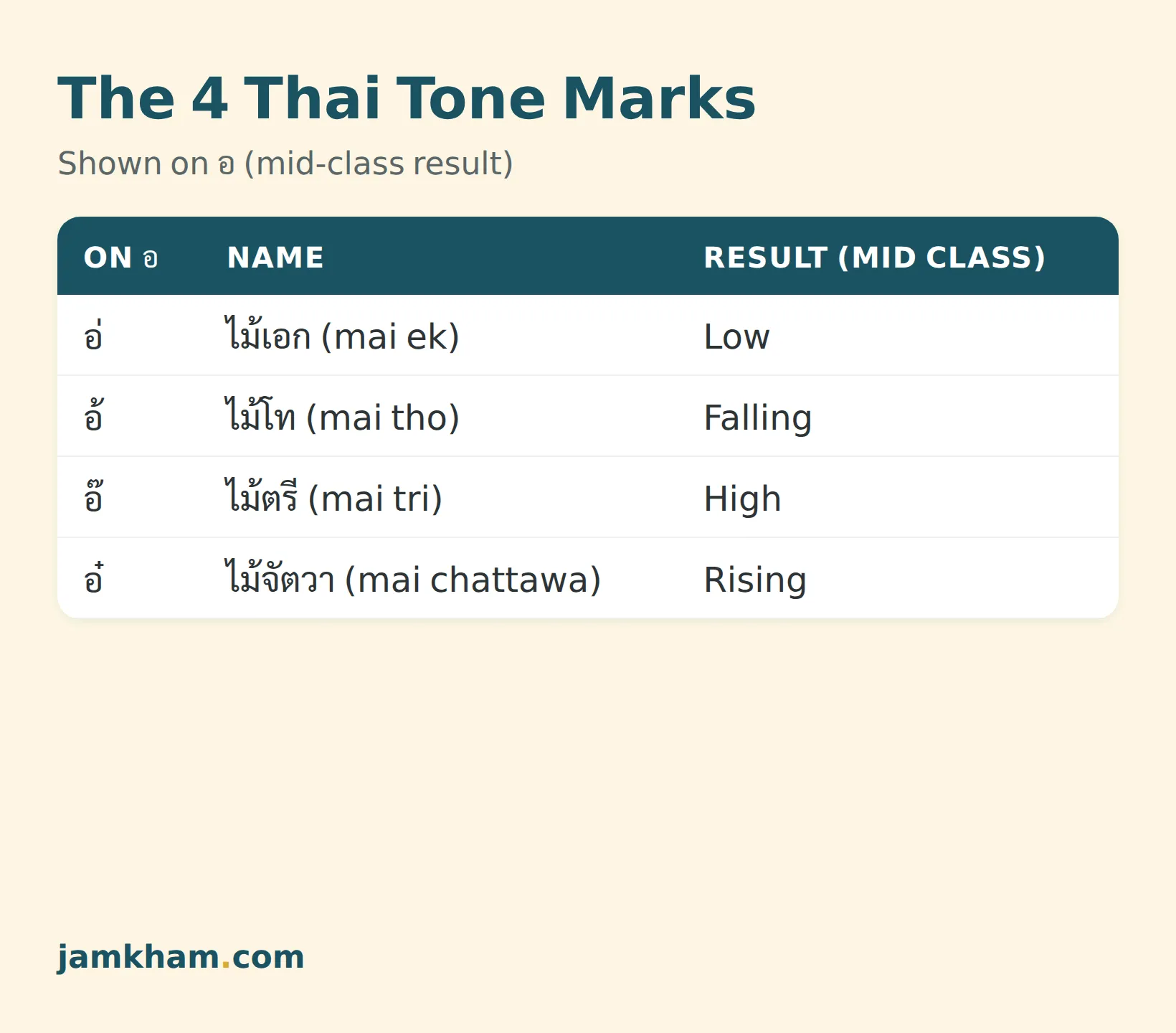
Writing Thai exposes gaps reading lets you skip: head loops, pre-posed vowels, tone marks on the wrong letter, and letters you can't pick by ear.
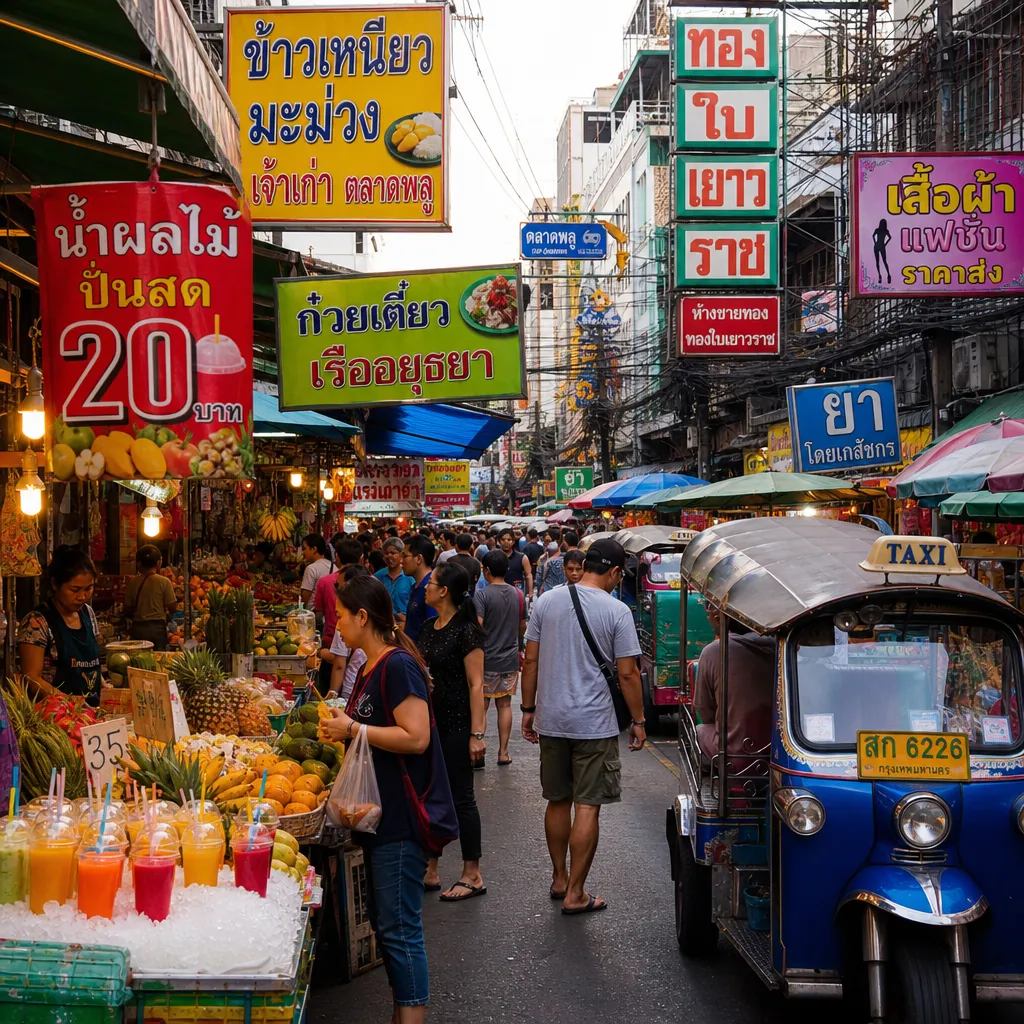
A beginner's guide to Thai: the five tones, the 44-letter script, grammar that's simpler than English, and polite phrases to start speaking with respect.

Learn 15 Thai business phrases with correct tones and cultural context. Formal greetings, meeting etiquette, polite requests, and dining phrases.

Discover the art of Thai writing with our guide, "Understanding the Basics of Thailand Writing." Master the Thai language script, alphabet, and tones.
Why Thai spaced repetition beats generic SRS: tone-aware cards, clear audio, and segmentation make it the best way to learn Thai vocabulary.

The best resources for learning the Thai alphabet fast — plus how to pair them with a course or tutor and actually start reading.

Can ChatGPT teach you Thai? An honest 2026 look at where AI helps you learn Thai, where it fails on tones and grammar, and how to use it safely.
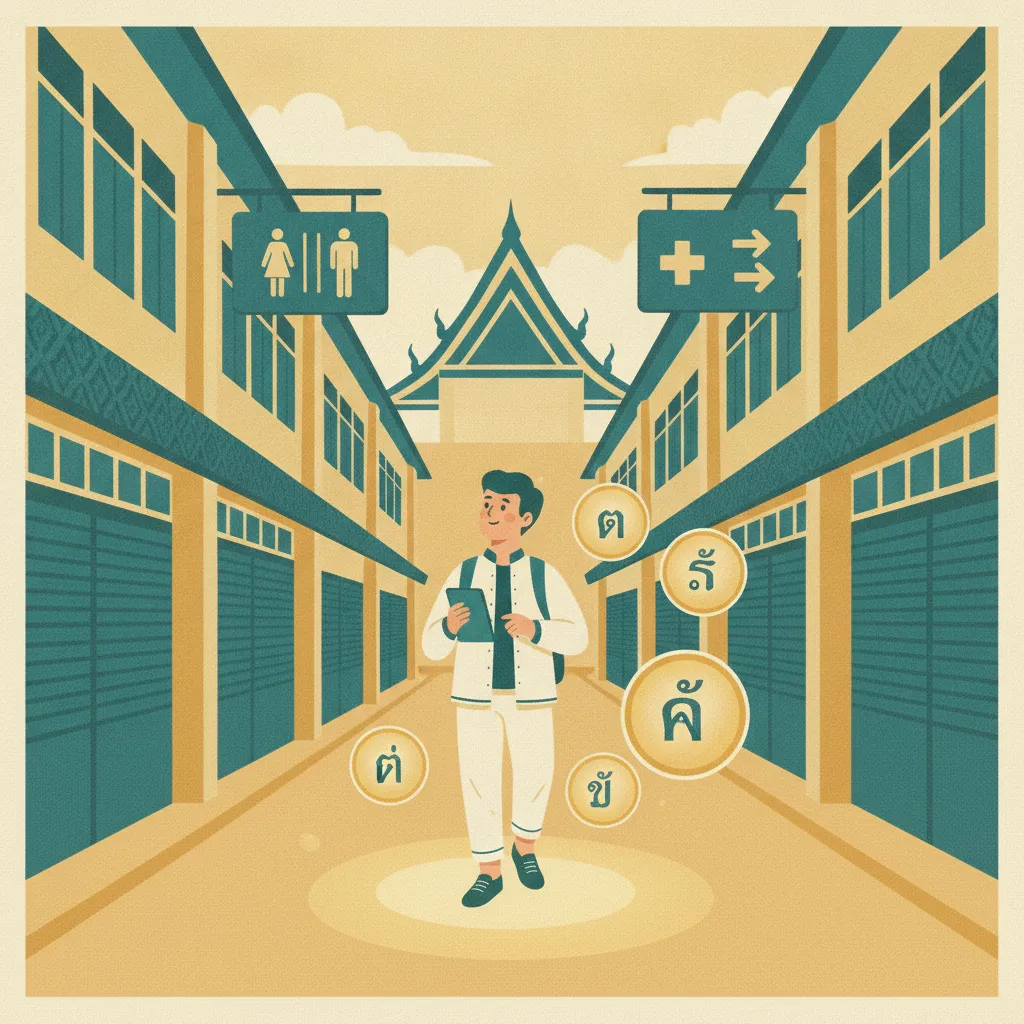
Reading Thai signs doesn't require the whole alphabet. Learn ~50 high-frequency characters and words to navigate Thailand on your own.

The visa form, the bank letter, the notice on your door — the recurring Thai words on official documents, so you stop guessing or paying an agent.
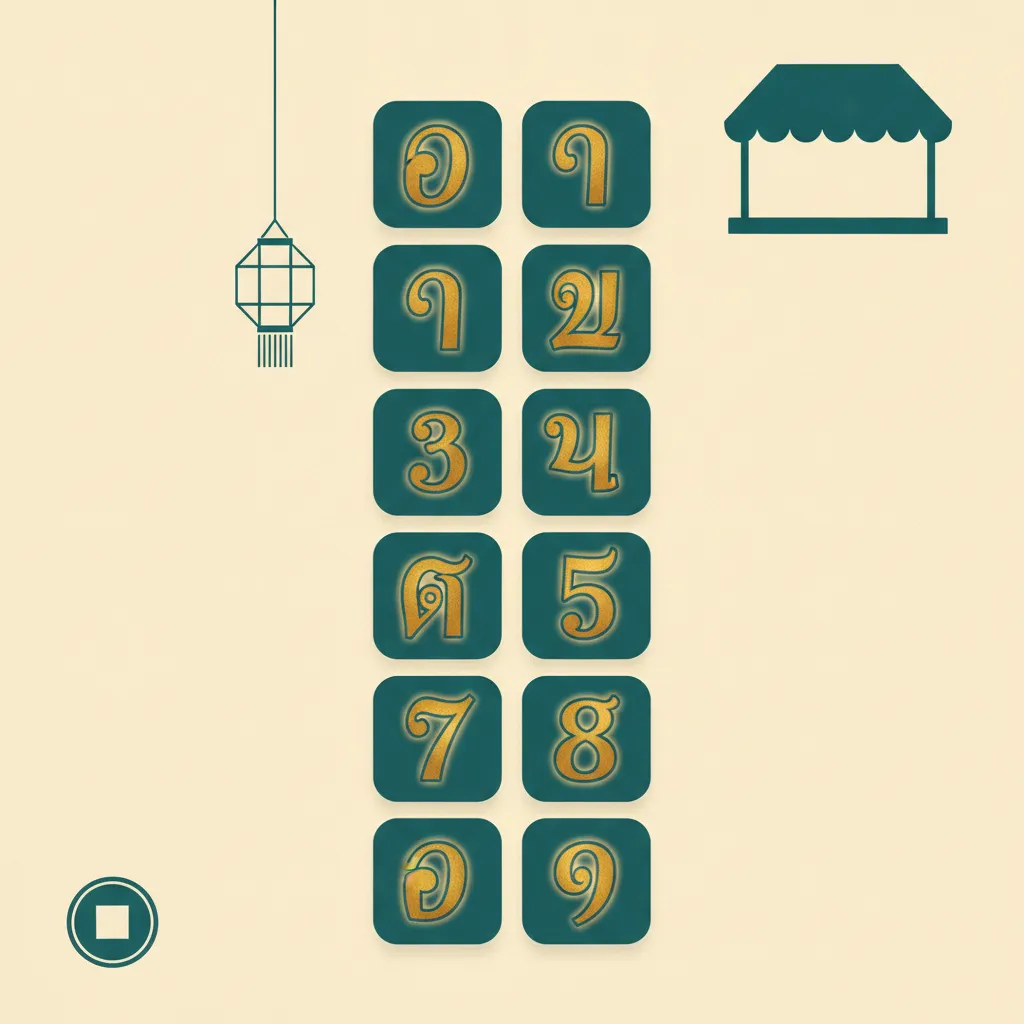
Thai numerals turn up on dual-priced menus, lottery tickets, and forms. Learn all ten Thai digits in minutes—and where you'll actually need them.
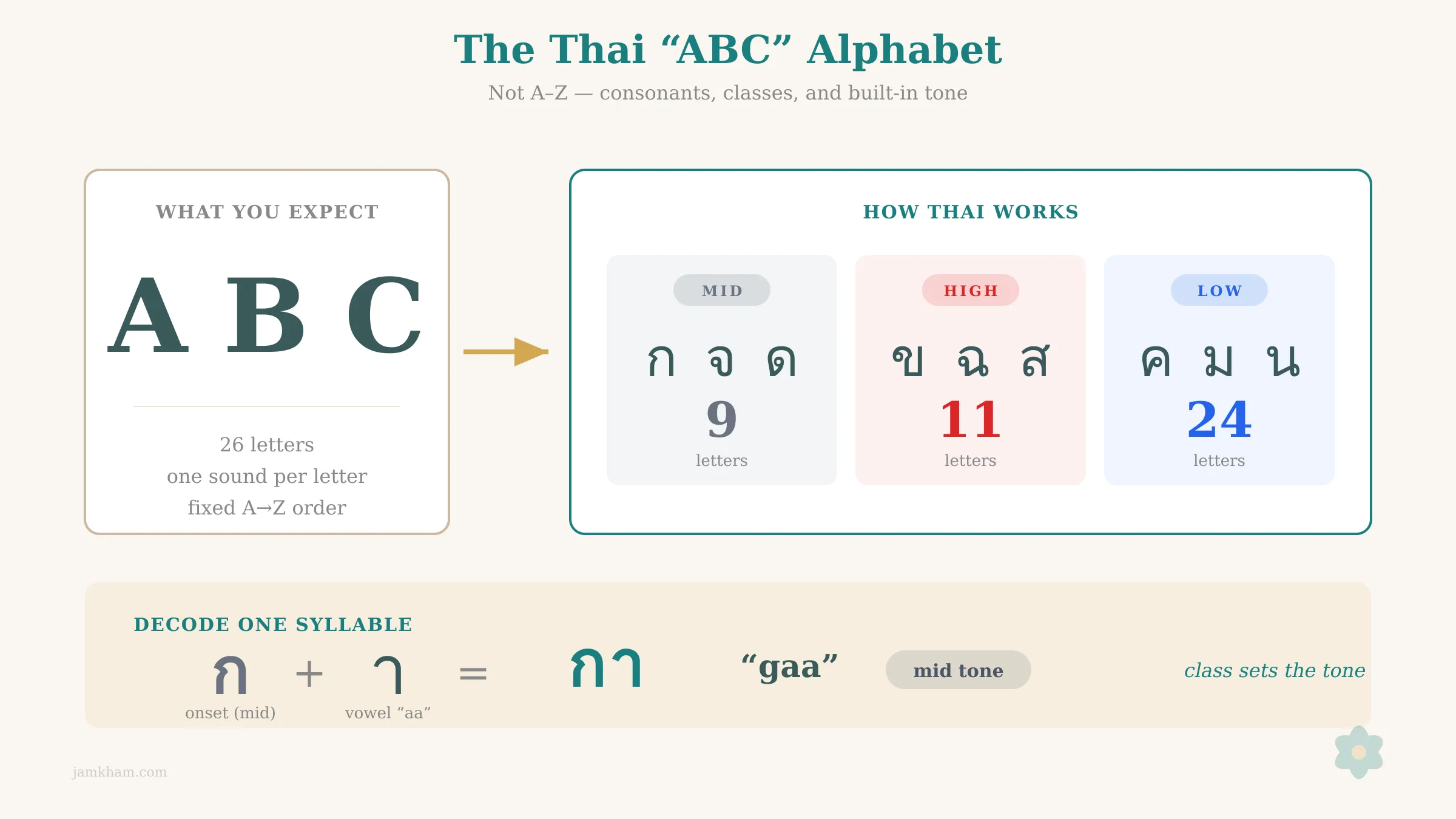
There's no Thai ABC. The Thai alphabet is 44 consonants in 3 classes, with vowels that attach as marks and tones built into the script — here's how it works.

Charts, YouTube, and Anki decks are free. They leave the order, the tone rules, and the review schedule to you. When free is enough — and when it isn't.

Thai for expats who've plateaued: the office, landlord, banking, and immigration vocabulary that takes you past tourist basics into real daily life.

Should you learn to read or speak Thai first? The honest answer depends on your goal and timeline — plus why reading makes speaking stick.
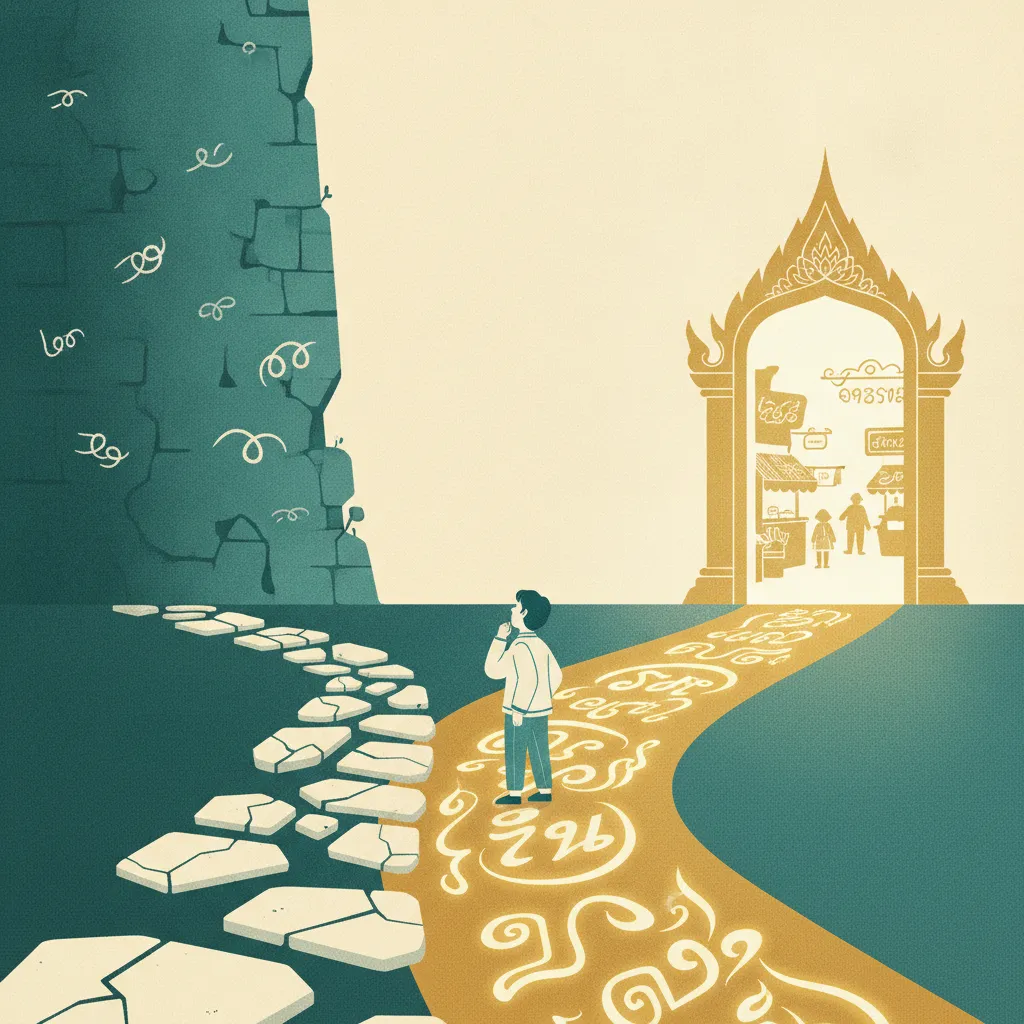
Romanized Thai gets you a greeting, never a lease. Why sound-it-out apps plateau expats — and the faster path to reading the script around you.

First Thai words in a week, signs and menus in about 8. A realistic, stage-by-stage timeline for the Thai alphabet at 10–15 minutes a day.

The กไก่ poster order is the slow way. Learn the highest-frequency Thai letters first and you'll read real words—กา, ดี—from day one.
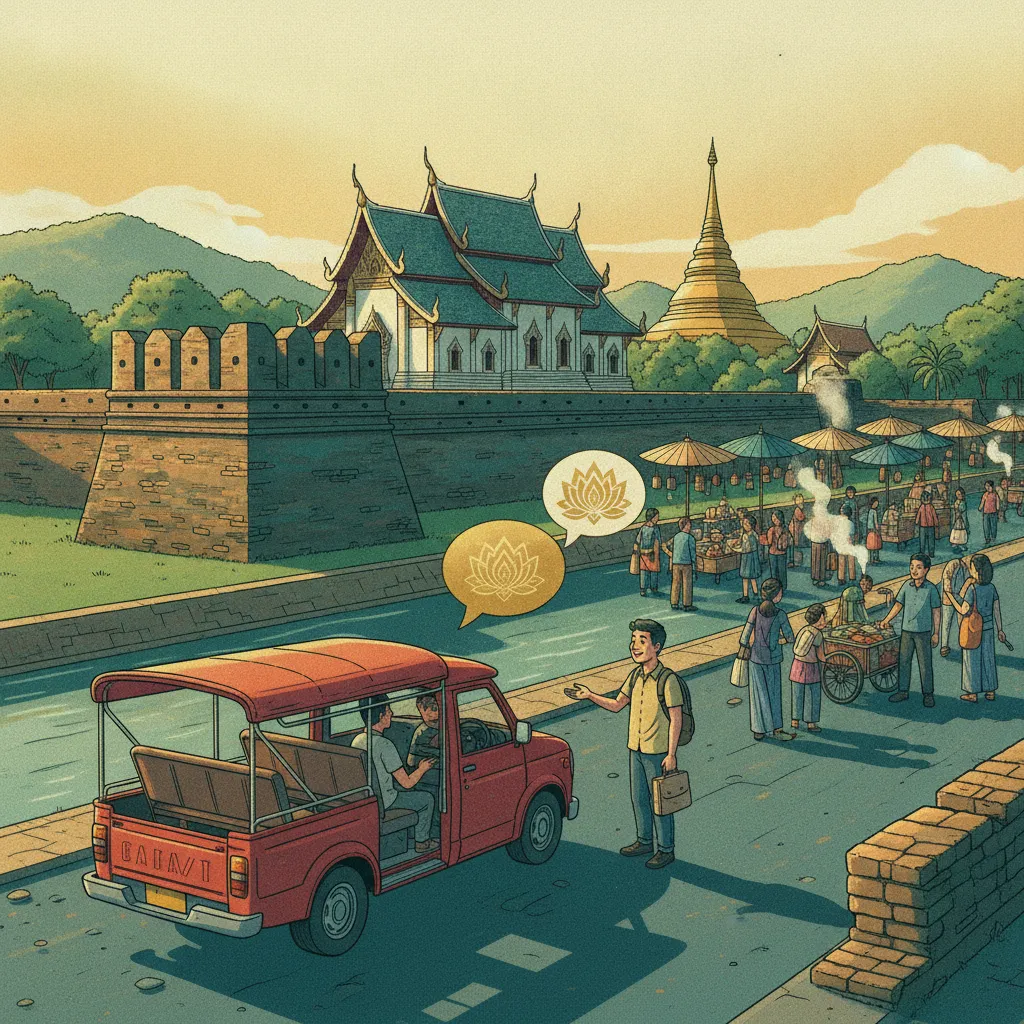
A Chiang Mai language guide: red-truck songthaew fares, old city navigation, walking street markets, cooking classes, and northern Thai phrases.
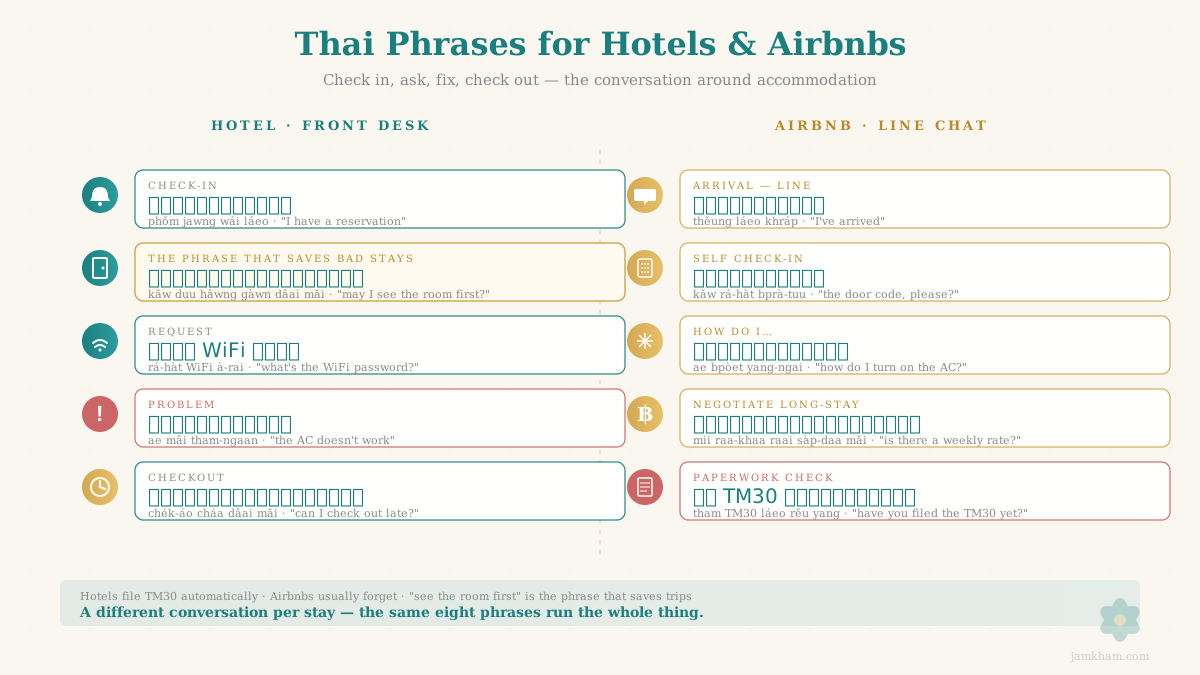
Thai hotel phrases for check-in, room problems, late checkout, Airbnb hosts, and weekly rates—the lines that actually move the conversation in Thailand.
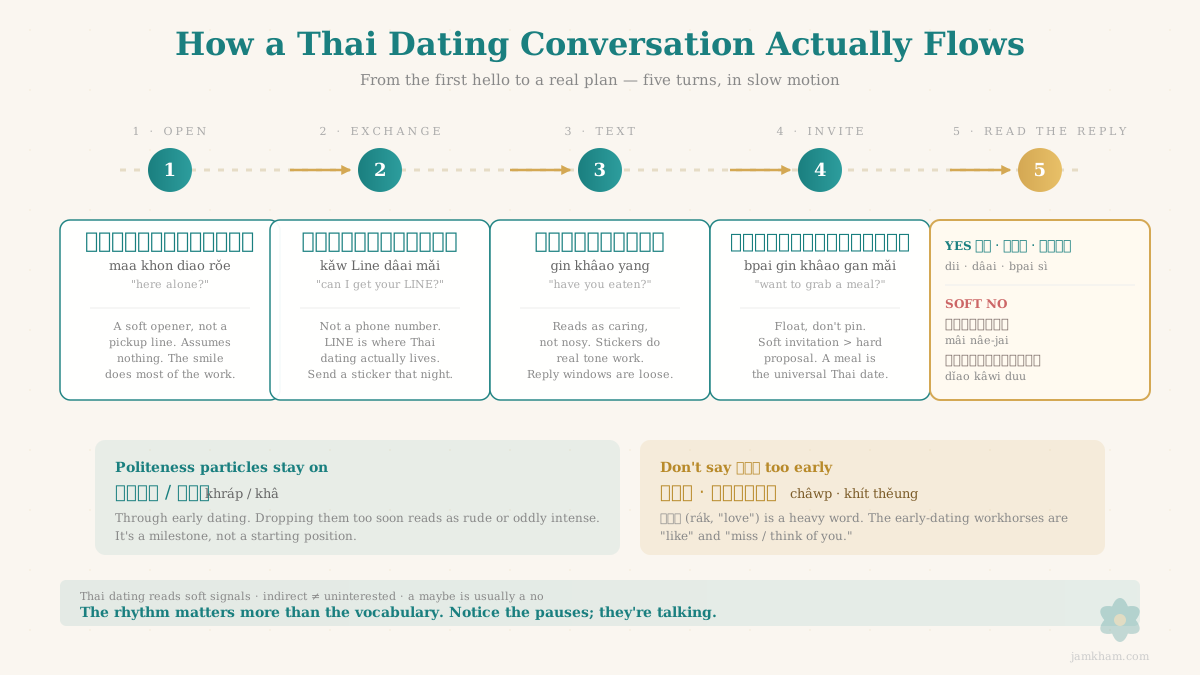
The Thai dating phrases that move a conversation from hello to LINE to dinner—how Thais actually flirt, signal interest, and read indirect cues.
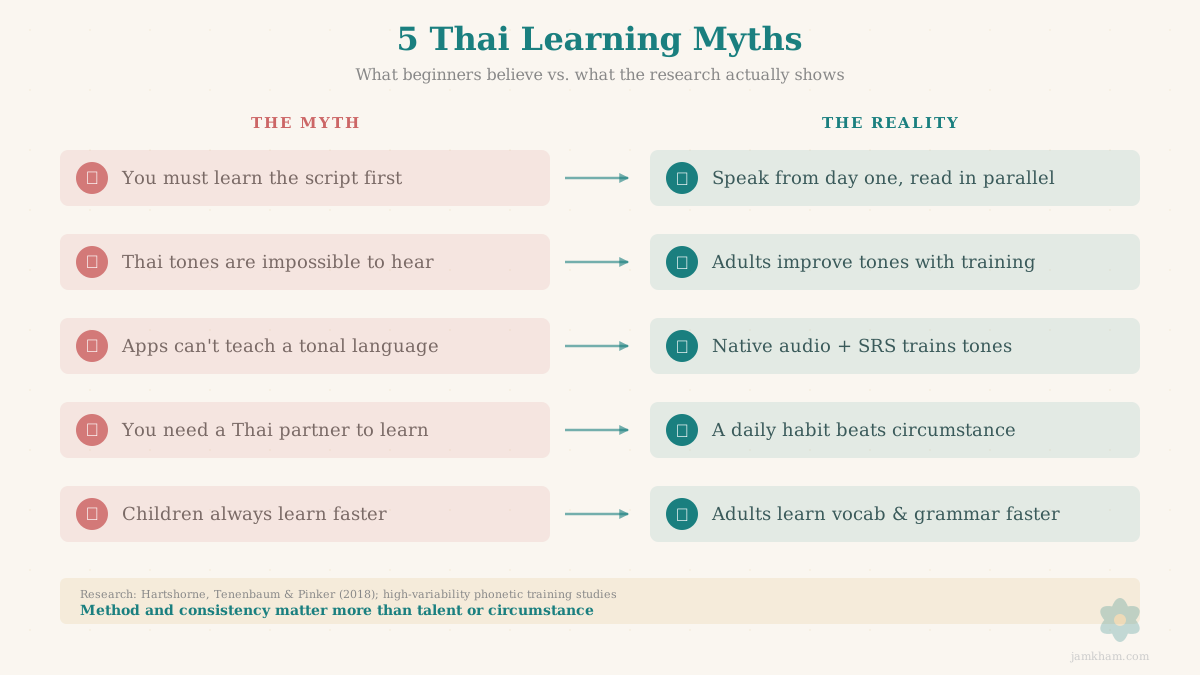
These 5 Thai learning myths—script first, impossible tones, useless apps—keep beginners stuck. Here's what the research actually says, and what works.
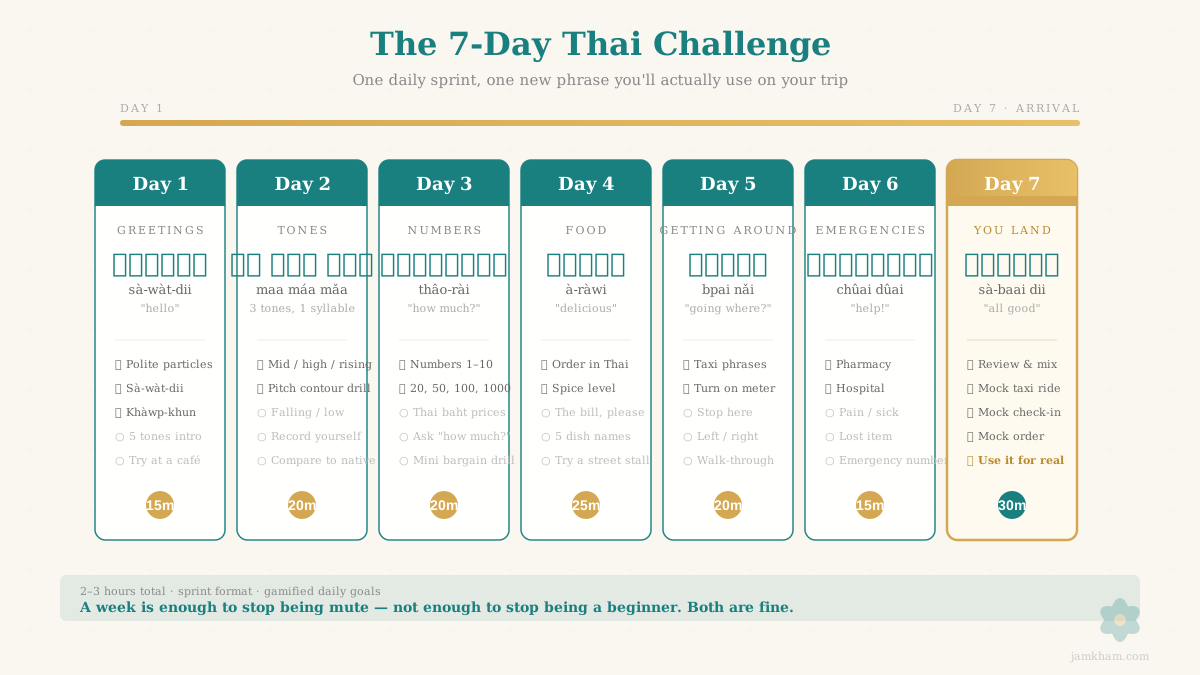
Learn Thai in 7 days with this traveler's sprint. Daily goals, checkboxes, and 40 essential phrases to go from zero to confident before you land.
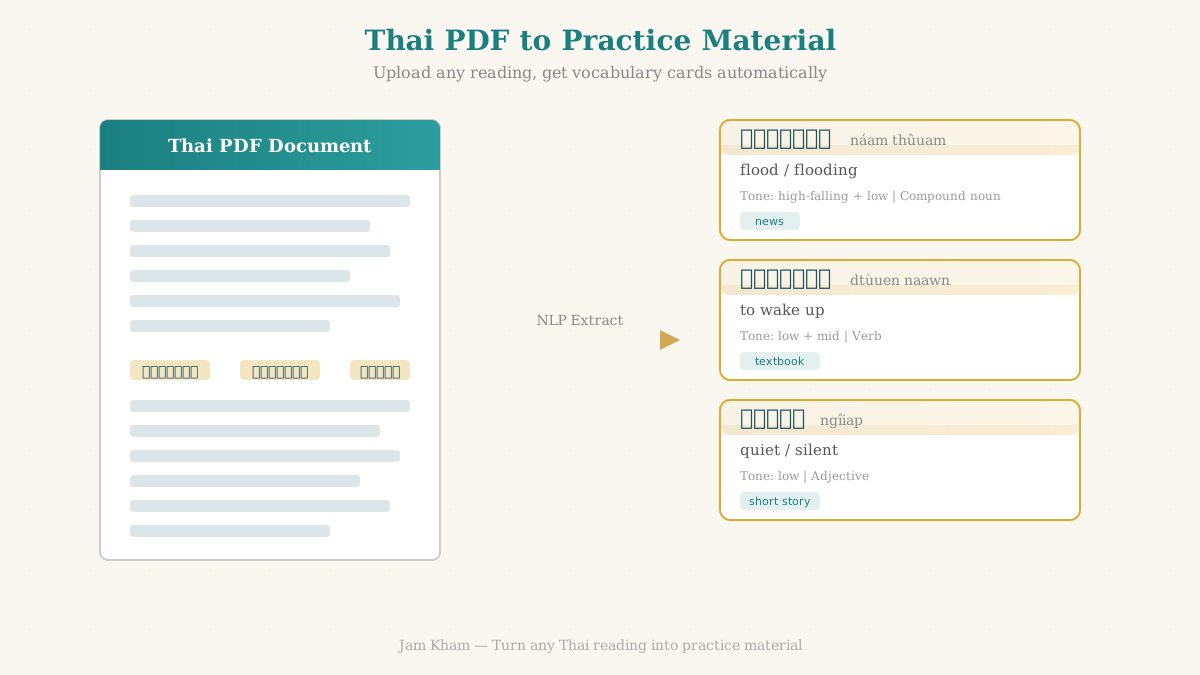
Upload any Thai PDF and get vocabulary cards with tones, romanization, and example sentences. No manual data entry. Built for teachers and students.
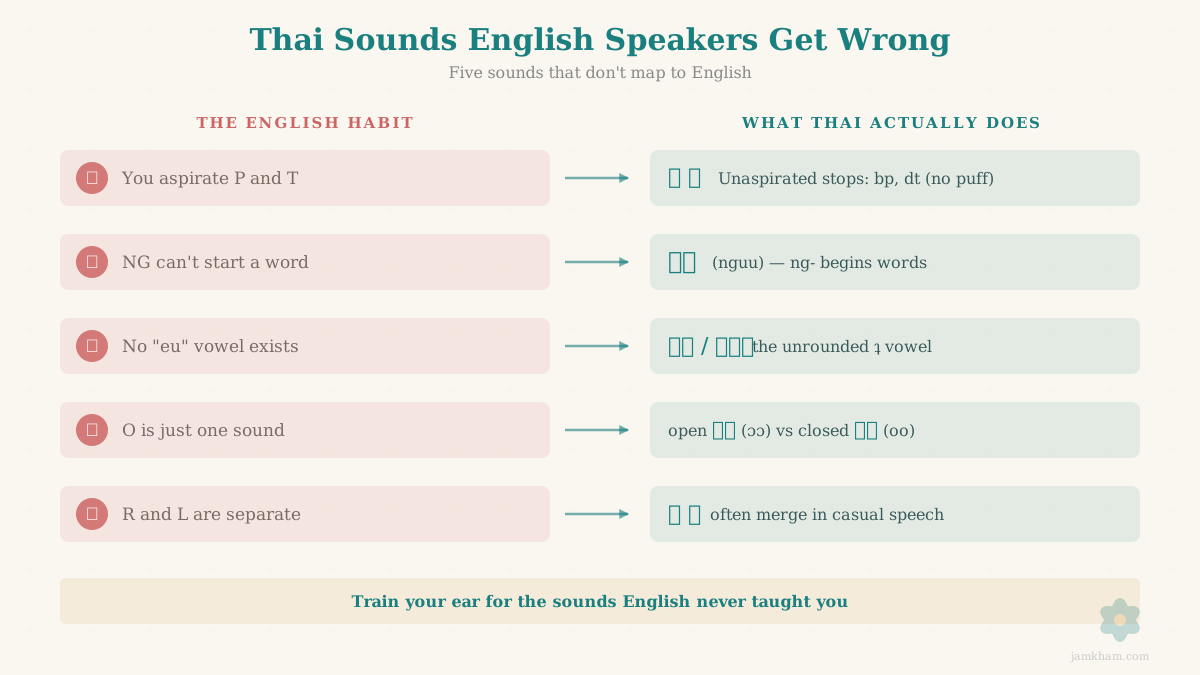
The consonant and vowel sounds that trip up English speakers learning Thai. Concrete drills for each one.

What language is spoken in Phuket? Thai — here are the phrases for beach rentals, boat trips, seafood ordering, and scam defense on the island.
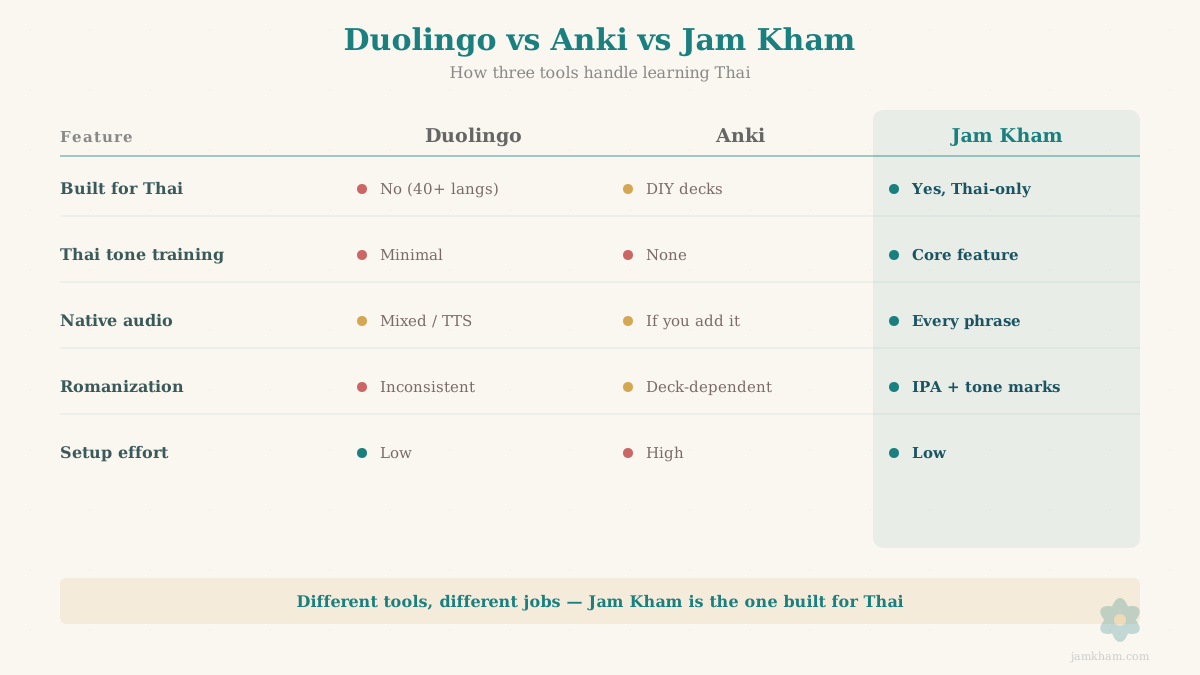
An honest comparison of three popular approaches to learning Thai. Which app fits your goals, timeline, and learning style?
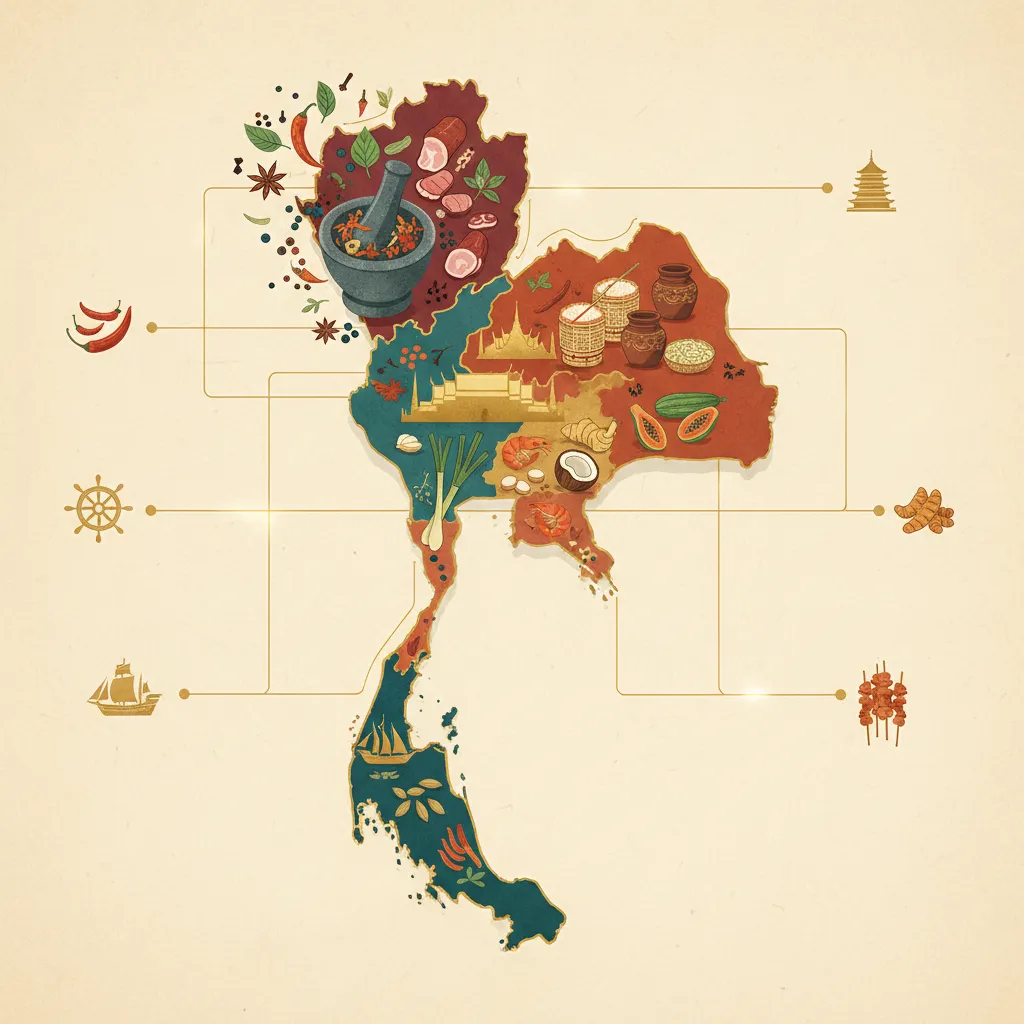
Portuguese desserts in the south, Burmese curry in the north. How trade routes and geography gave Thailand four radically different cuisines.

18 Thai slang words and phrases you'll hear on the streets, in shops, and online. With tone marks, register warnings, and context.
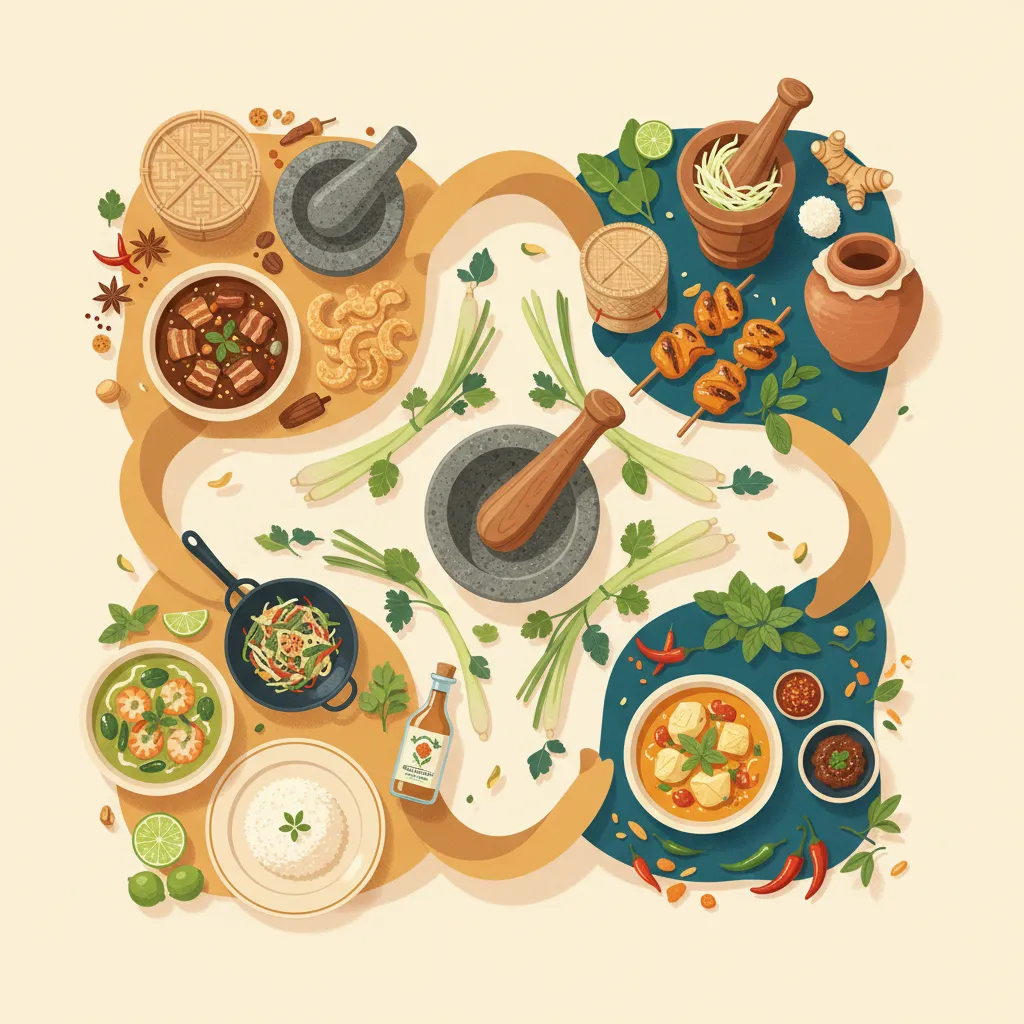
Three words for 'delicious,' a rice vocabulary system, and the cooking-method prefixes that make sense of any Thai menu — organized by region.
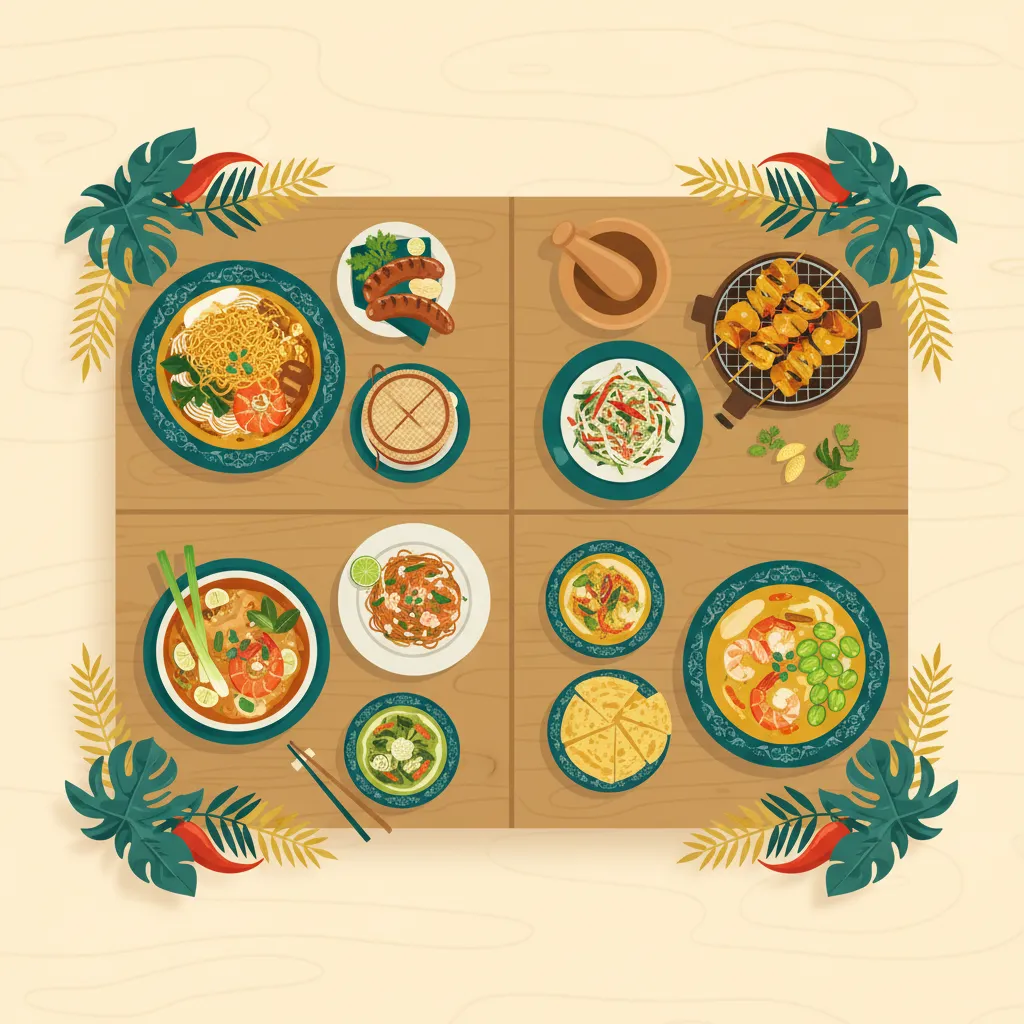
Thailand has four regional cuisines, not one 'Thai food.' What to order in each region — from Chiang Mai's khao soi to Hat Yai's gaeng tai pla.

How น้ำใจ, เกรงใจ, and Buddhist values shape the Thai healthcare experience — from family at the bedside to the 30-baht universal coverage scheme.
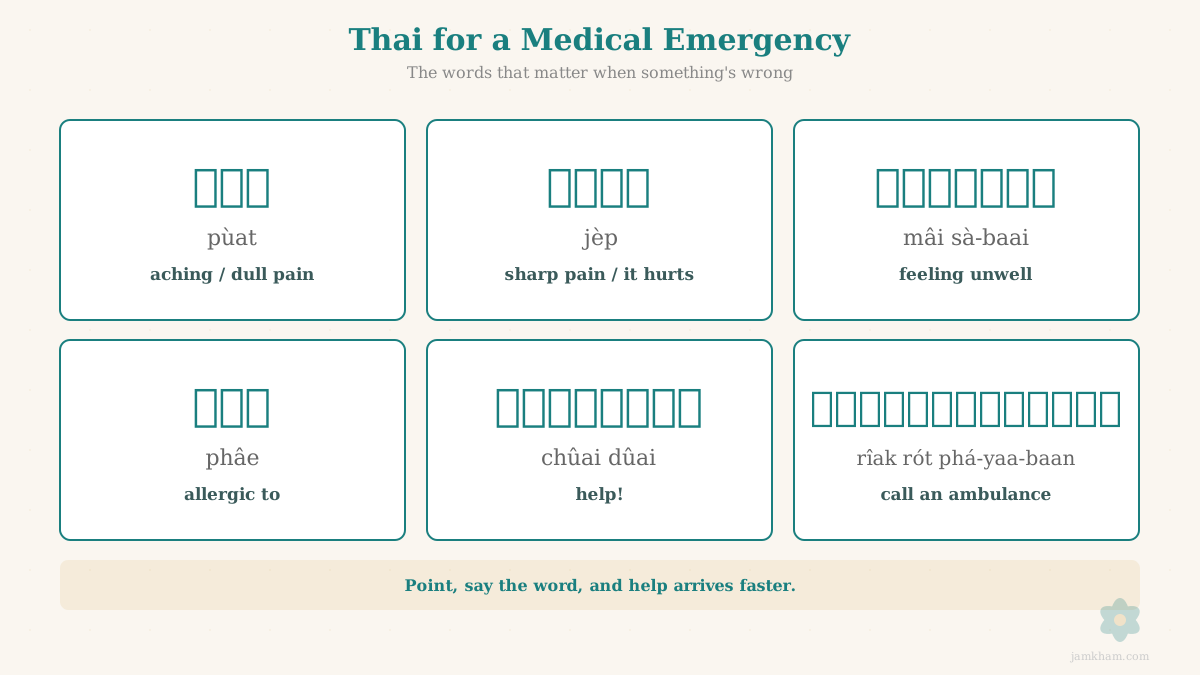
The puat + body part formula covers 90% of medical situations. 15 body parts, the pharmacy dialogue pattern, and why formal register matters at hospitals.

Emergency numbers, hospital systems, pharmacy culture, and the Thai phrases that get you medical help — from a headache to something serious.

Songkran was a quiet family ritual until the mid-20th century. The language of water — รดน้ำ vs สาดน้ำ — reveals how one festival became two.
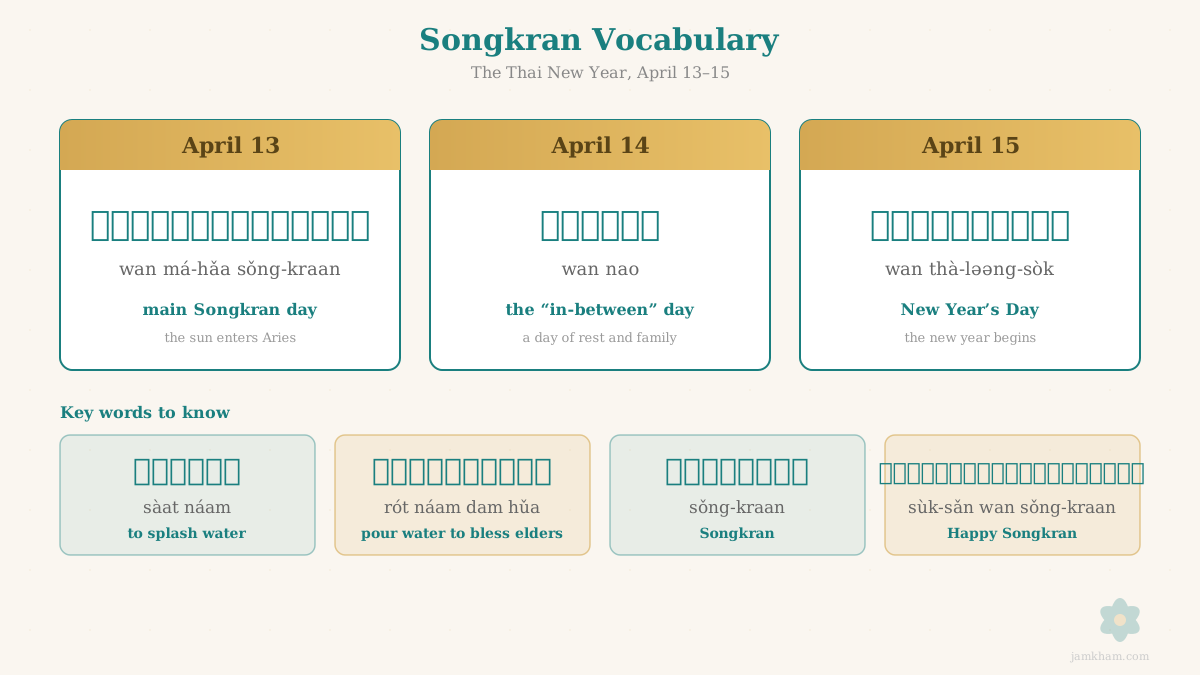
Sanskrit loanwords, the Buddhist Era calendar, and water vocabulary that reveals social context — Thai language through the lens of Songkran.

A practical Songkran guide — where to celebrate, what to protect from water, safety tips, and the Thai phrases that make the festival more fun.

Tourist Thai covers week one. Staying months? The daily vocabulary, social phrases, and bureaucratic Thai that change your quality of life in Thailand.
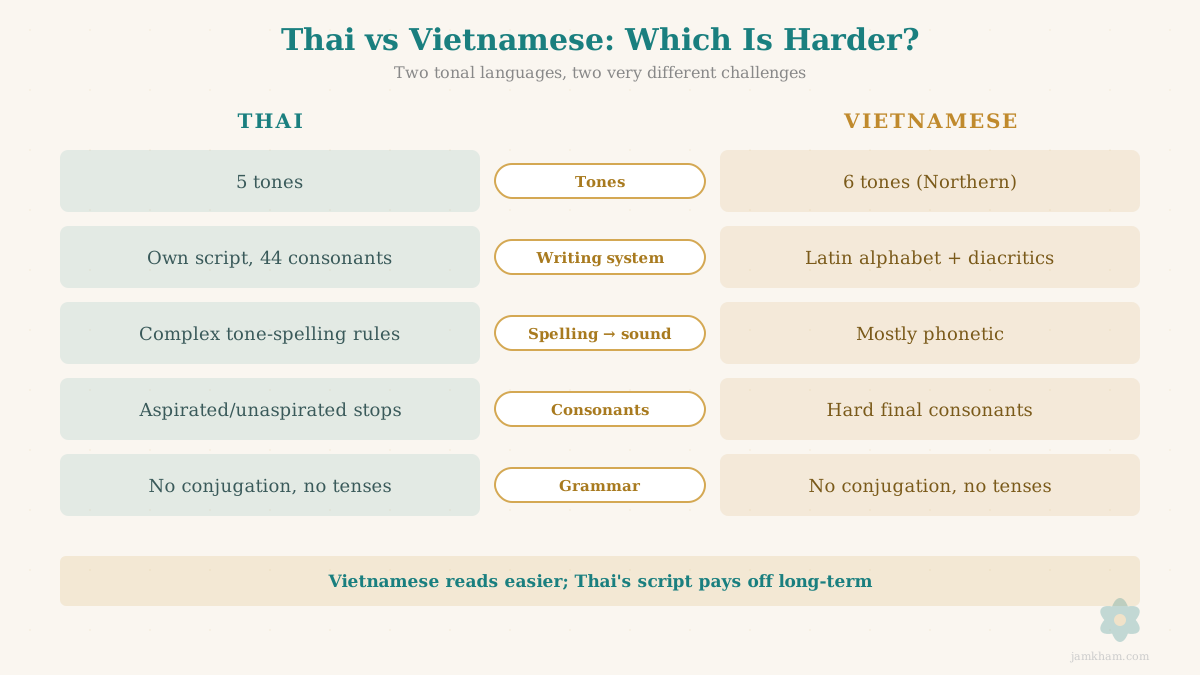
Thai has 5 tones and a unique script. Vietnamese has 6 tones and uses Latin letters. FSI rates both Category IV. Here's what that comparison means for you.

Go beyond 'hello' and 'thank you' with 5 Thai phrases that delight locals. Cultural meanings, pronunciation guides, and when to use each one.

300+ temples, dress codes, monk-interaction rules, and the Thai phrases that turn temple visits from sightseeing into genuine cultural exchange.
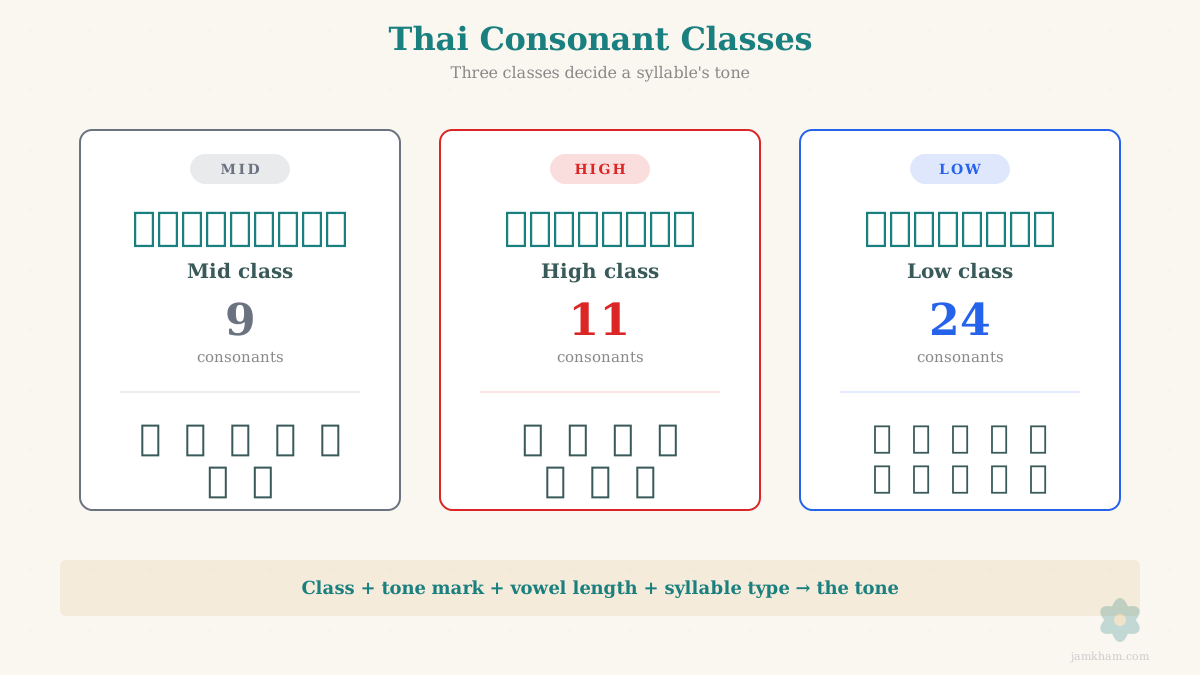
Thai has 44 consonant letters but only 21 sounds. The 'extras' encode tone information. Learn the 3-class system and stop memorizing tones word-by-word.
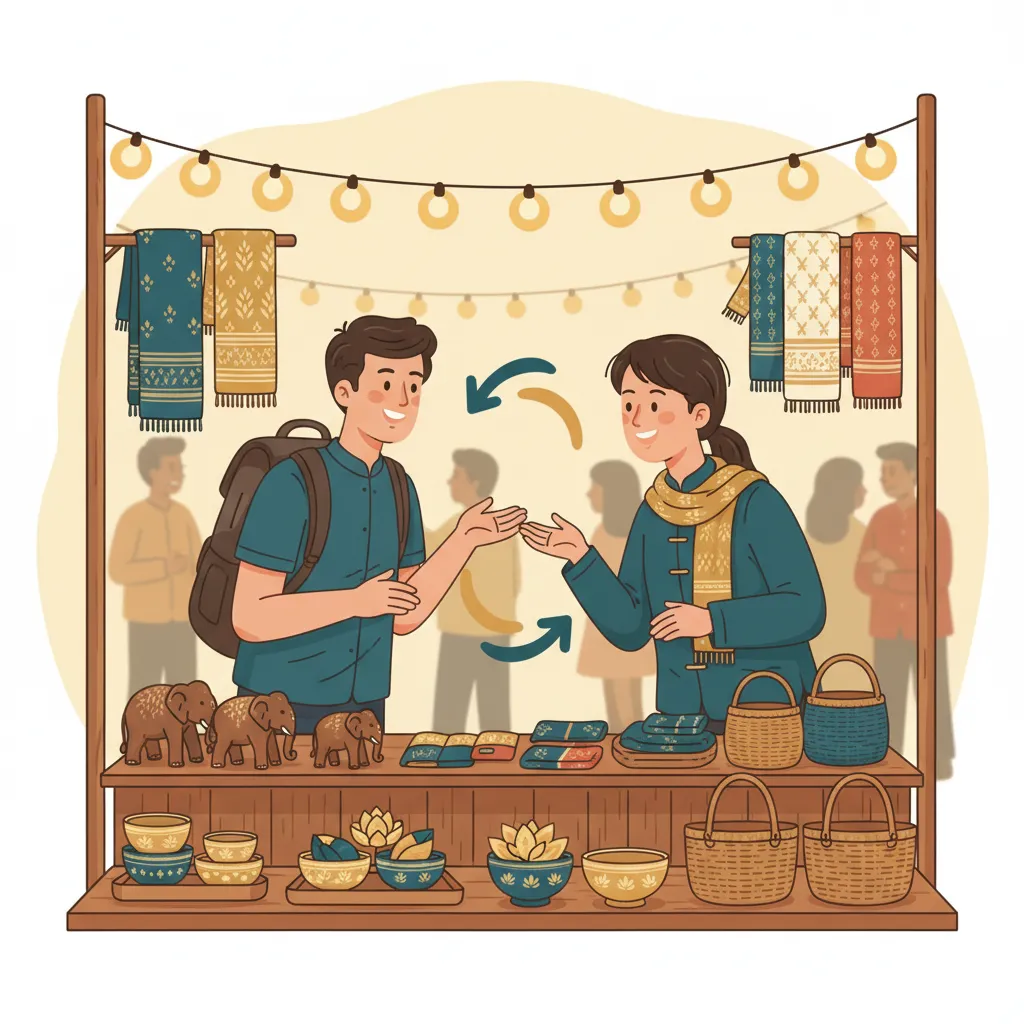
The 7 Thai phrases that run every market negotiation, the step-by-step bargaining dance, and three mistakes that cost you money and respect.

ฉันรักเธอ is just the beginning: the full range of Thai love expressions, from casual ชอบ to serious รัก, and why Thai affection works differently.

From หวานใจ (sweetheart) to คู่ใจ (soulmate): how the word ใจ shapes love's meaning in Thai, plus how Thailand celebrates Valentine's Day.
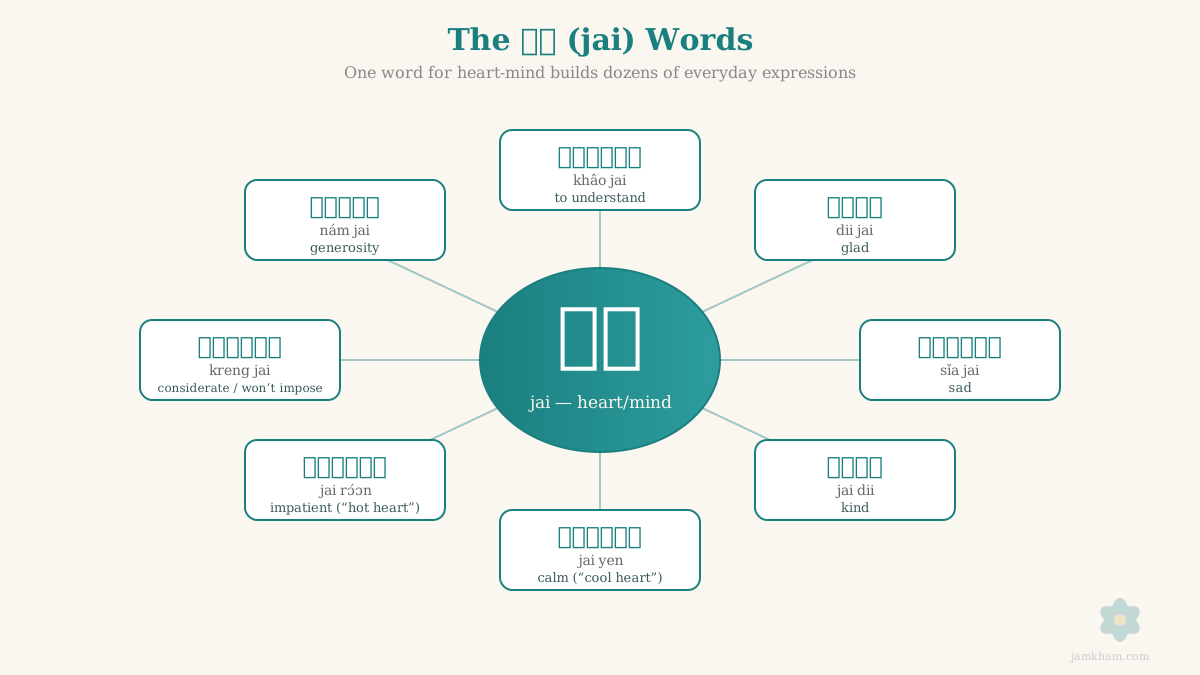
Thai has 100+ compound words built on ใจ (jai, heart-mind). From ใจดี (kind) to เข้าใจ (understand) — the system behind Thai emotional vocabulary.

Street food in Thailand has no menus and no English. Here's how to step up, point, order, and customize — from first stall to confident regular.

Restaurant vs street stall ordering, the spice negotiation, 15 food words that make sense of any Thai menu, and what to do when nothing else works.
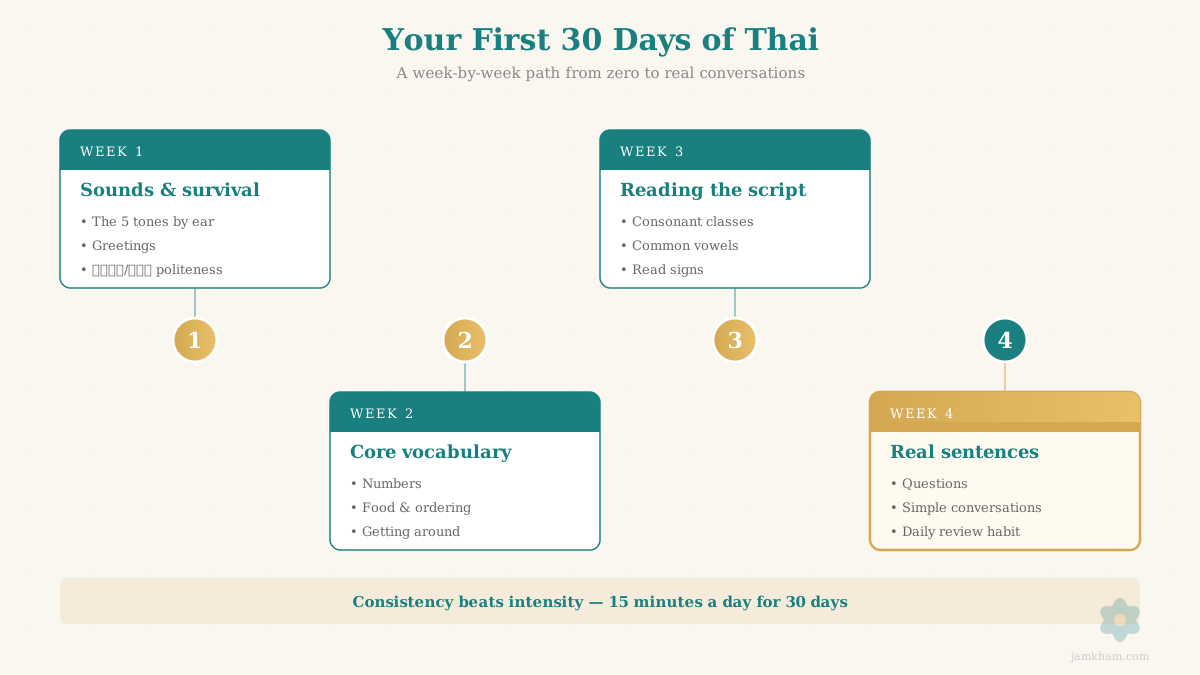
Week 1: tones and greetings. Week 2: numbers and ordering food. Week 3: Thai script basics. Week 4: real conversations. Follow this exact daily schedule.

The Thai phrases that matter in Bangkok: taxi meter requests, market bargaining, street food ordering, and the slang nobody teaches tourists.

3 weeks, 15 minutes a day, one Bangkok trip. An honest account of what stuck, what failed, and what I'd do differently with the same timeline.

Google Translate English to Thai can't handle tones and loses politeness levels. Where it breaks, what still works, and a better strategy for Thailand.

Skip the 300-phrase lists. These 30 Thai phrases handle ordering food, bargaining at markets, and getting around. Pronunciation guide included.
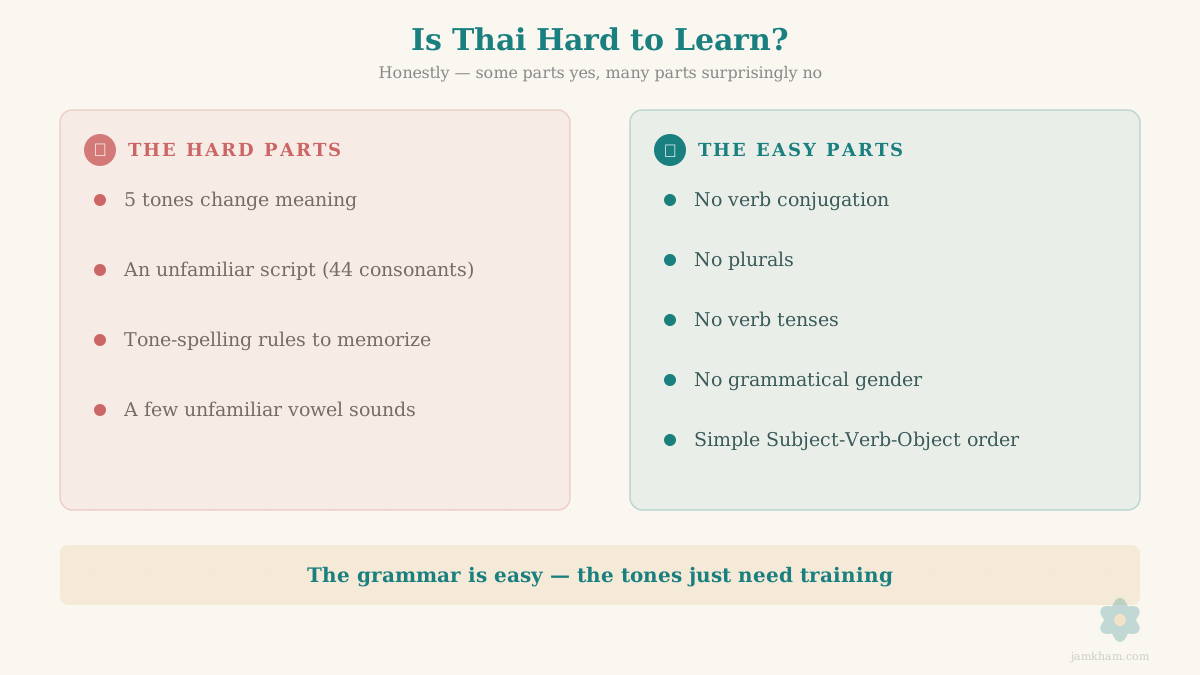
Thai is FSI Category IV — hard to master. But travel-ready Thai is a different bar. 2 weeks handles 90% of tourist situations. Here's what matters.
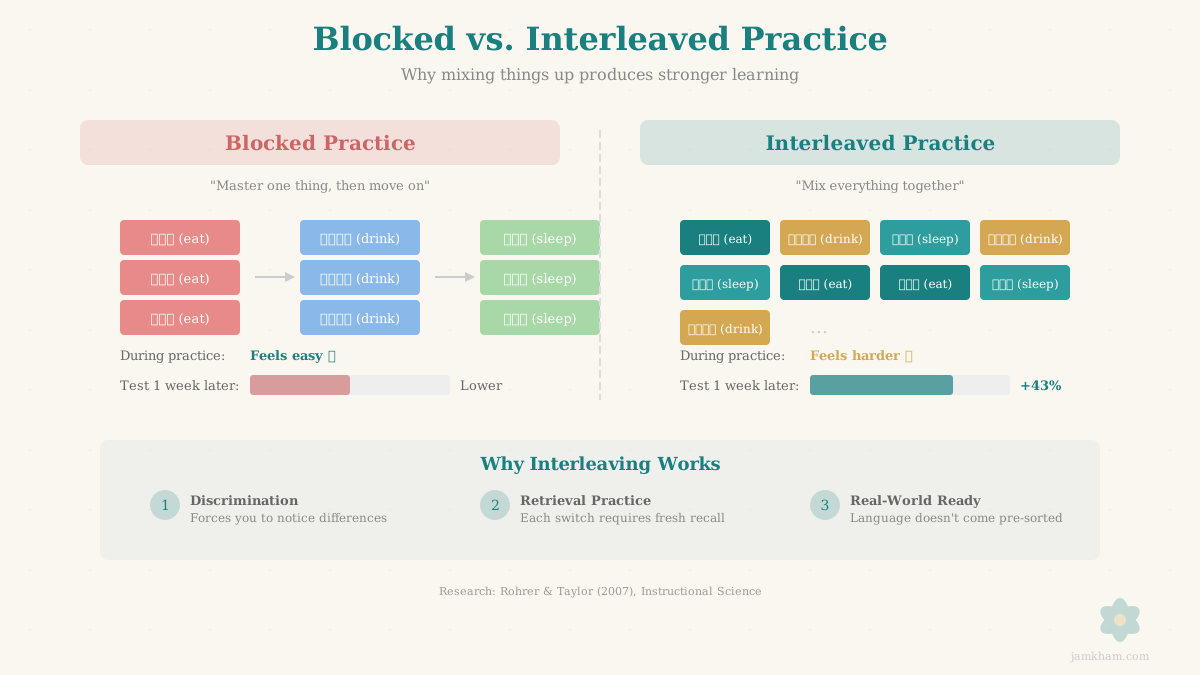
Interleaved practice improves retention by 43% vs blocked study. Why mixing Thai vocabulary — though harder — builds knowledge that lasts.
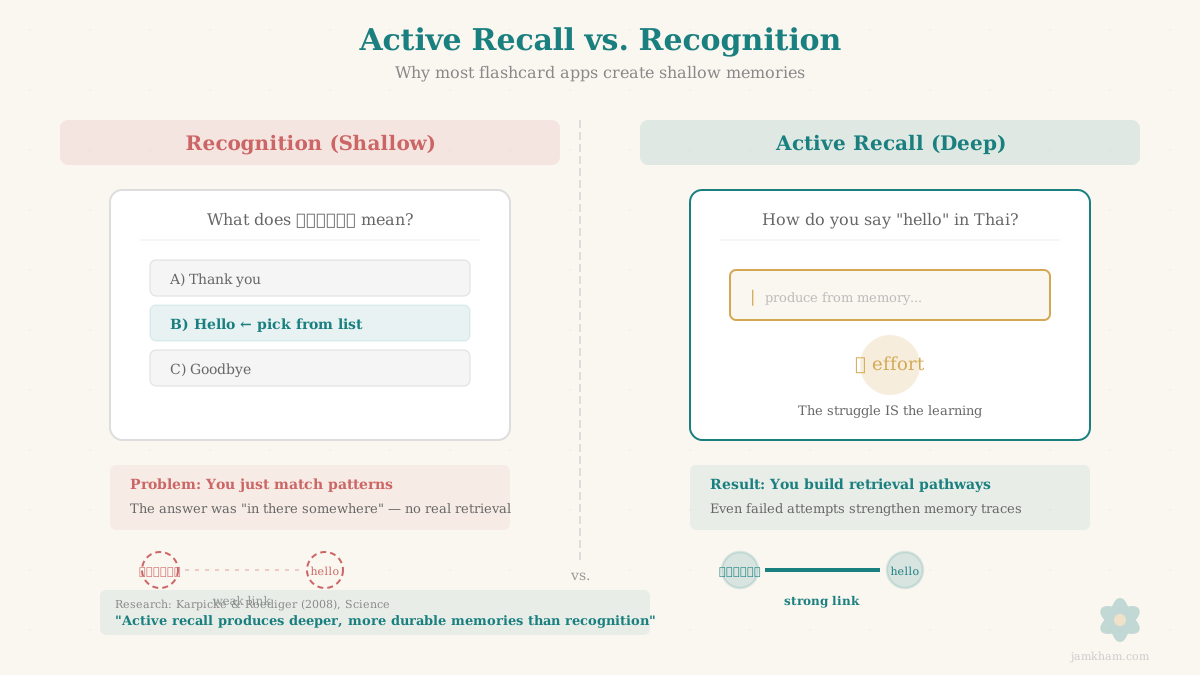
Recognition flashcards create shallow memories. Active recall builds lasting knowledge. Here's the research and how to apply it to Thai vocabulary.
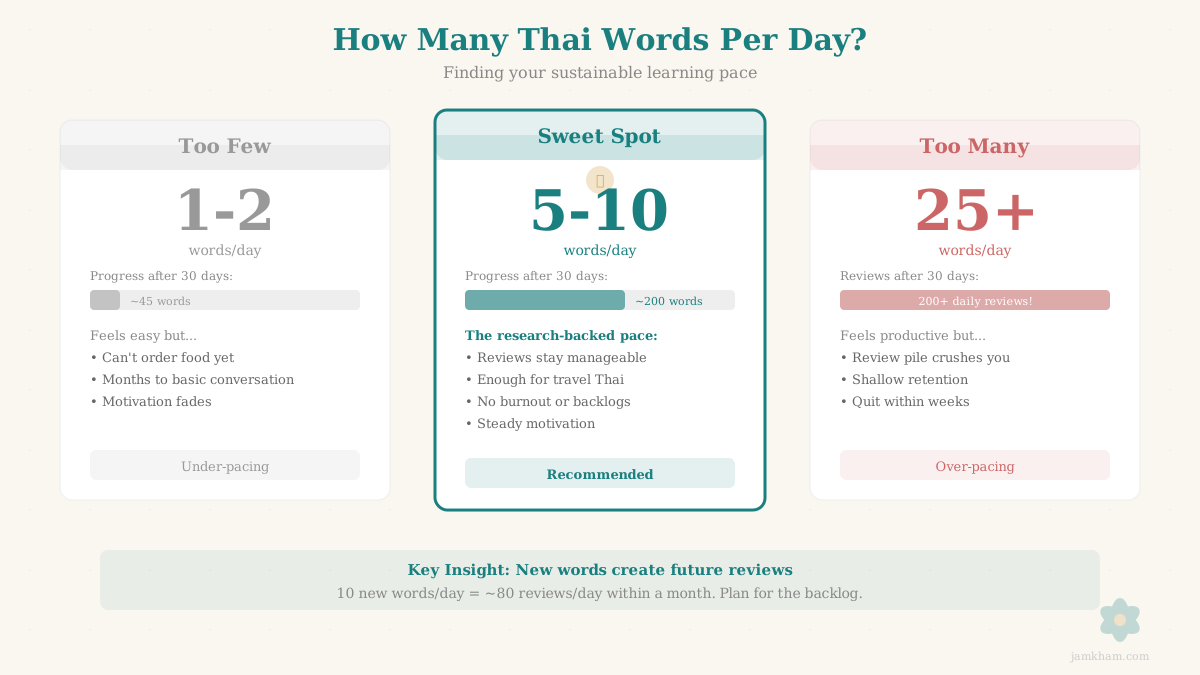
The optimal number of new vocabulary words per day—backed by research. Why learning too many creates review backlogs, and how to find your sustainable pace.

Reading Thai left-to-right? Ignoring consonant class? These 7 habits from English make Thai harder than it needs to be. Here's how to unlearn them.
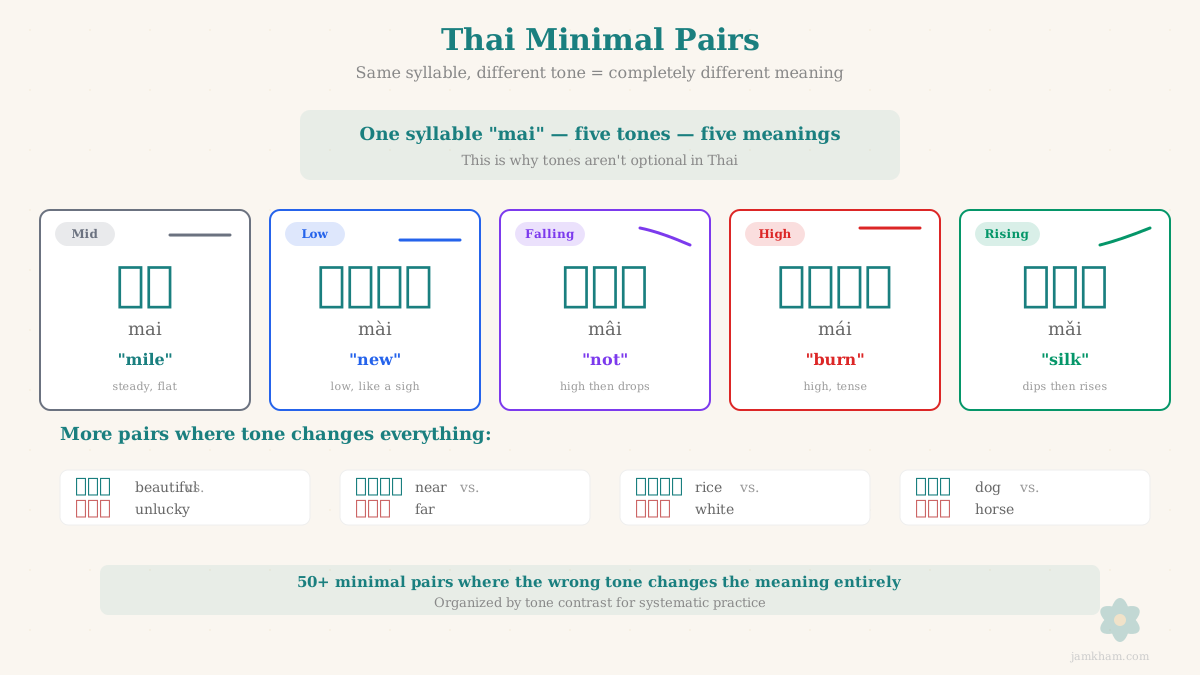
Beautiful or unlucky? Near or far? Dog or horse? In Thai, the wrong tone turns compliments into insults. 50+ pairs organized by tone contrast.

Testing yourself beats re-reading for long-term retention. Why active recall matters for Thai vocabulary—and how to do it right.
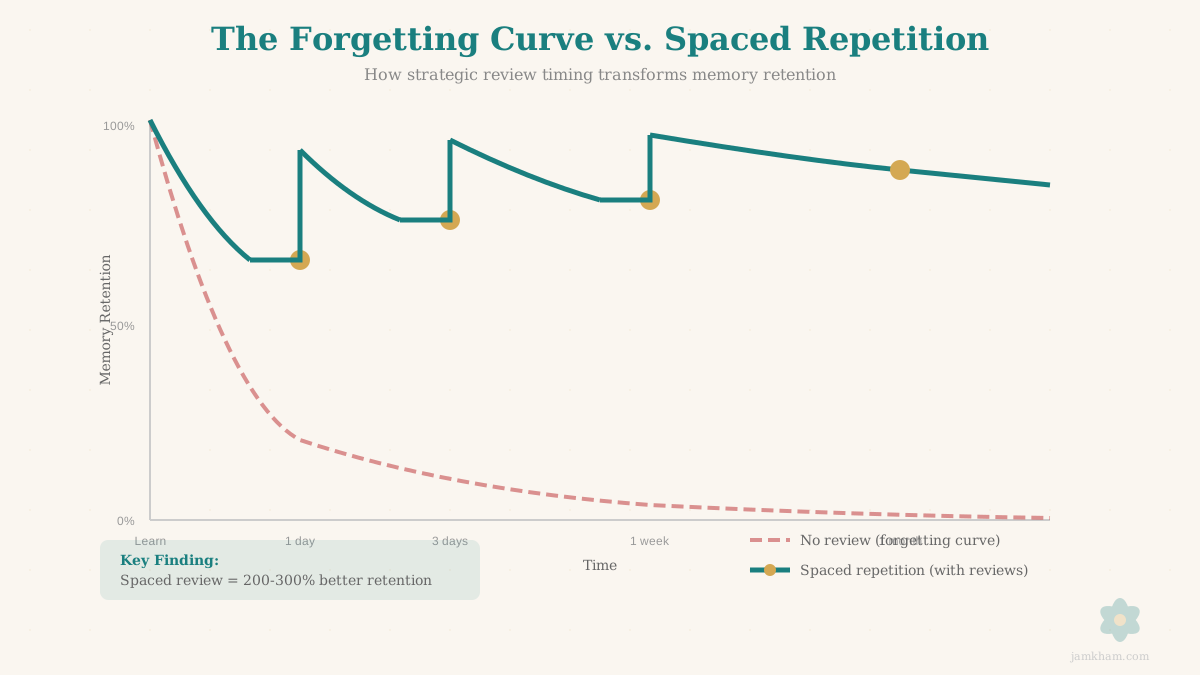
Spaced repetition improves vocabulary retention by 200-300%. The science behind lasting memory—and how to use it for Thai.

Learn Bangkok Thai and you'll understand about 40% of Chiang Mai conversations. Isan shares more with Lao than Central Thai. What this means for you.
In Thai, there are 5 different words for 'eat'--from vulgar slang to royal vocabulary. Learn which pronouns, particles, and verbs to use with whom.
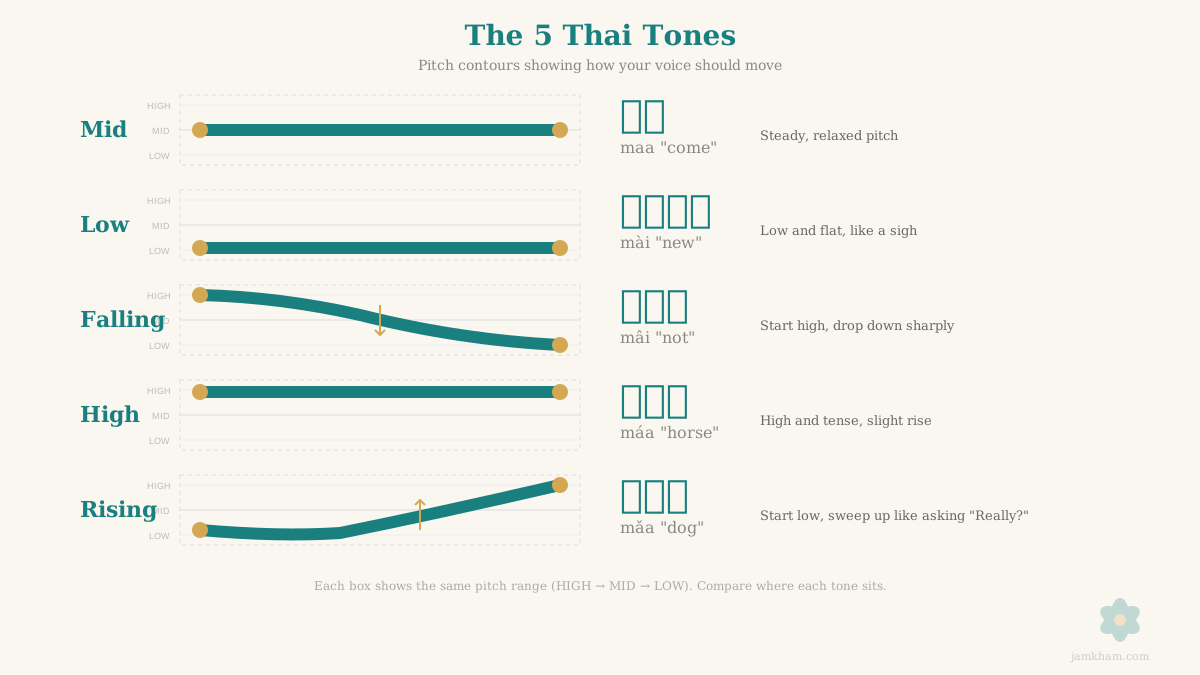
Thai tones turn 'beautiful' into 'unlucky' with one wrong pitch. Hear and produce all 5 with the famous 'mai' test — 5 meanings, 1 syllable.
English gives you 'through,' 'though,' 'rough,' and 'cough.' Thai doesn't do that. Learn the consonant class system that makes Thai spelling predictable.
Where does Thai come from? A Tai-Kadai language with Khmer, Pali, and Sanskrit layered on top—and a script 700+ years old. How 3 languages became 1.

All 7 days of the week in Thai: names, lucky colors, and script. Plus how day names form dates, and why Monday (วันจันทร์) hides silent letters.
One short Thai-reading lesson a week — the alphabet, the tones, and the shortcuts that make Thai click. No fluff, unsubscribe anytime.